Why Historic Homes Require a Different Selling Approach

Baltimore historic homes are rarely interchangeable. Even two houses on the same block can perform very
differently based on width, age, architectural style, condition, original details, renovation quality, parking, outdoor space and exact location.

Successfully selling a historic home in Baltimore requires understanding how those differences affect buyer demand and market value. Rather than relying
solely on square footage or nearby sales, I evaluate the individual character of the property and how it compares with the homes buyers are considering in that specific neighborhood.

Preserving the Features Buyers Value

One of the greatest strengths of a historic Baltimore home is often the craftsmanship that has survived for generations. Original millwork, pocket doors,
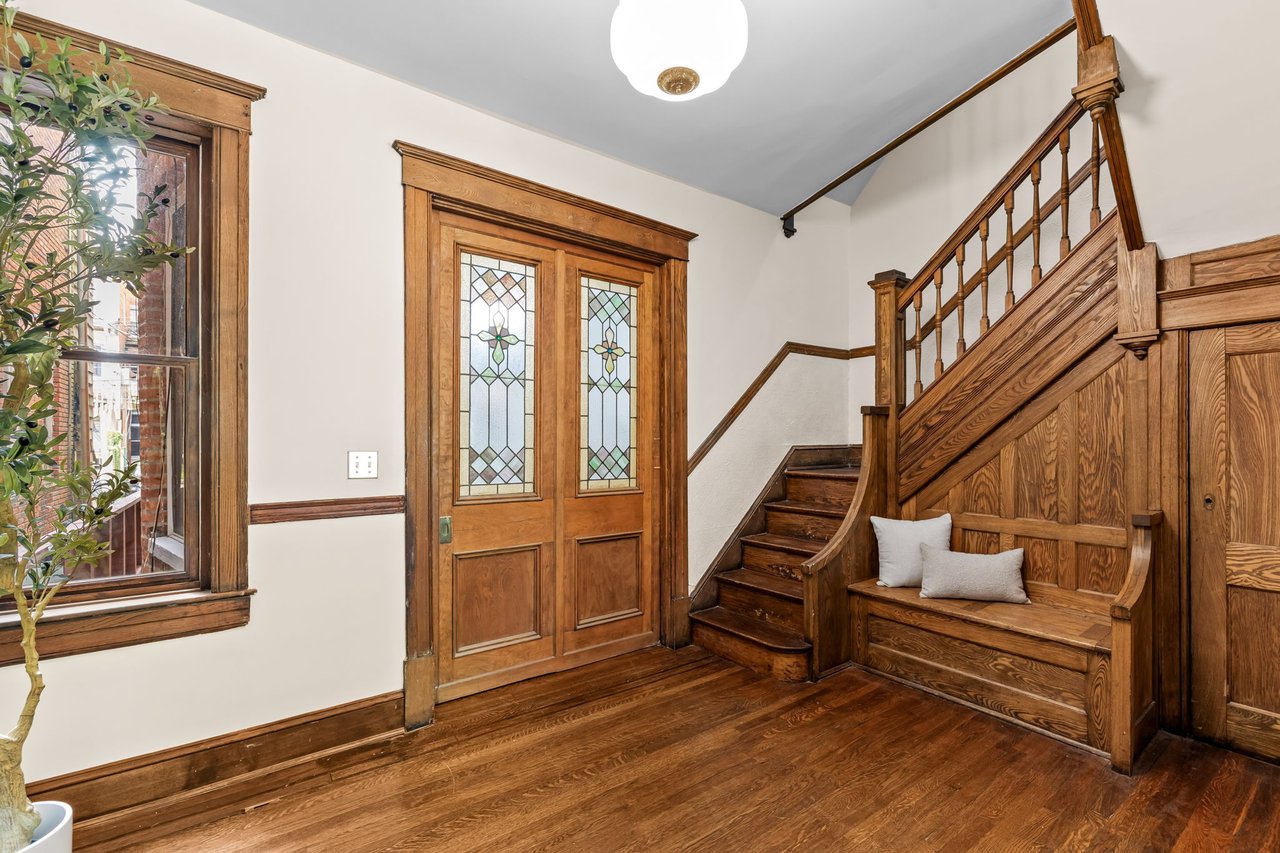
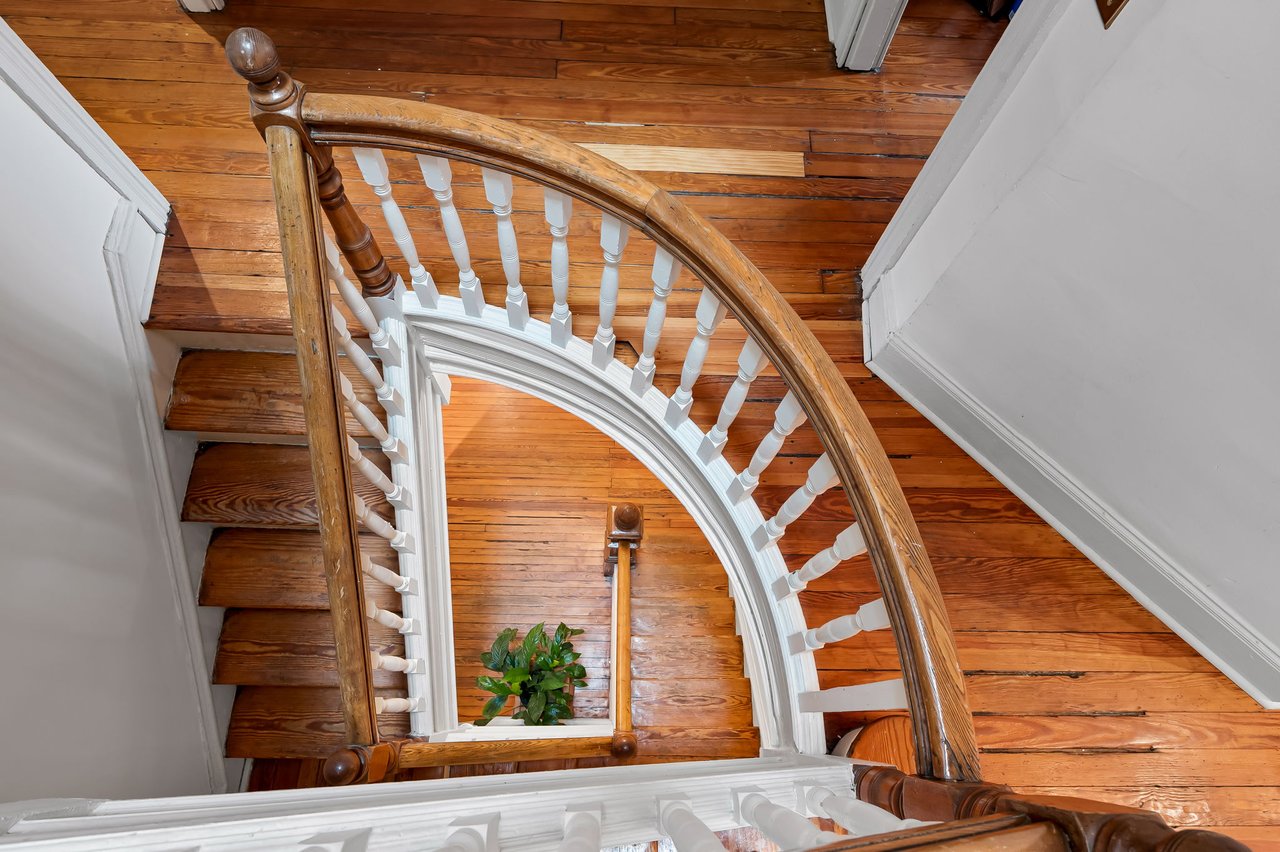
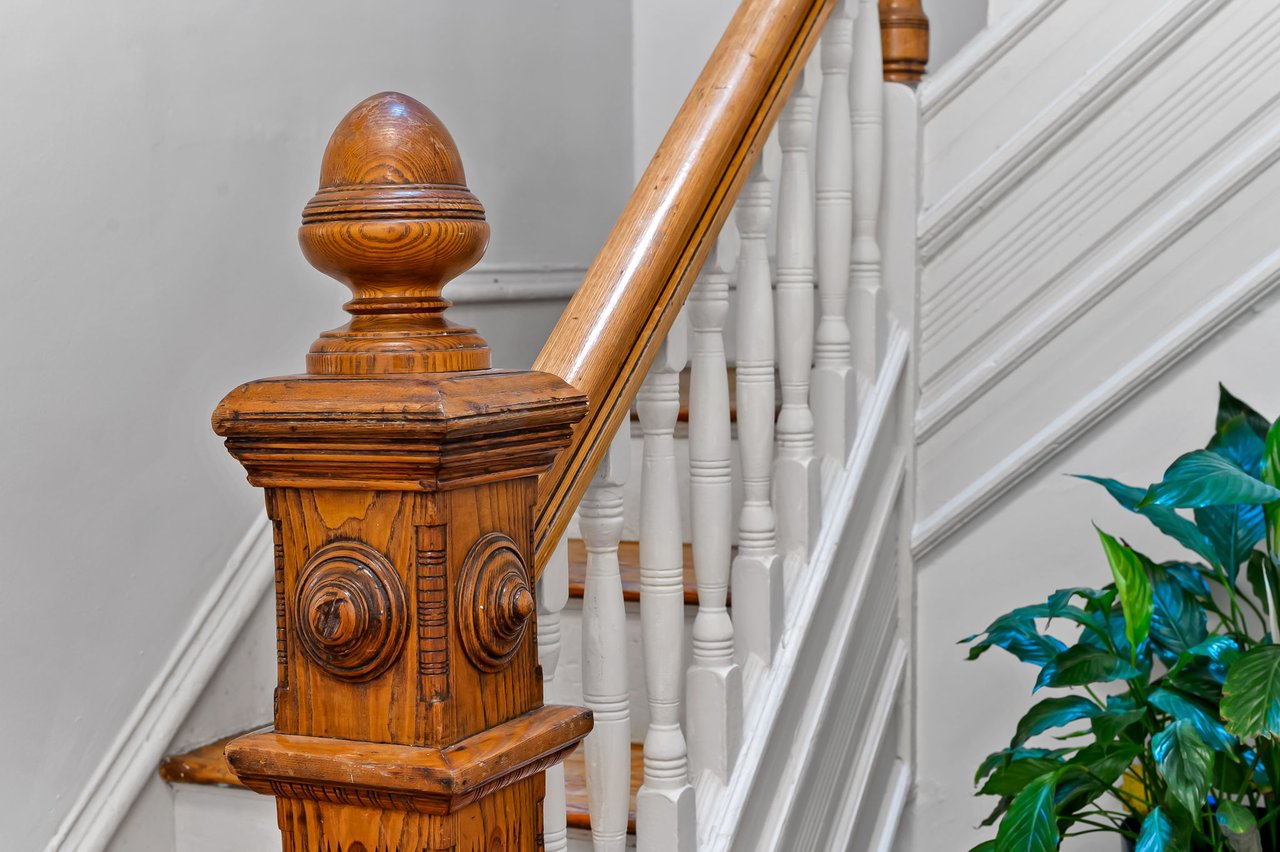
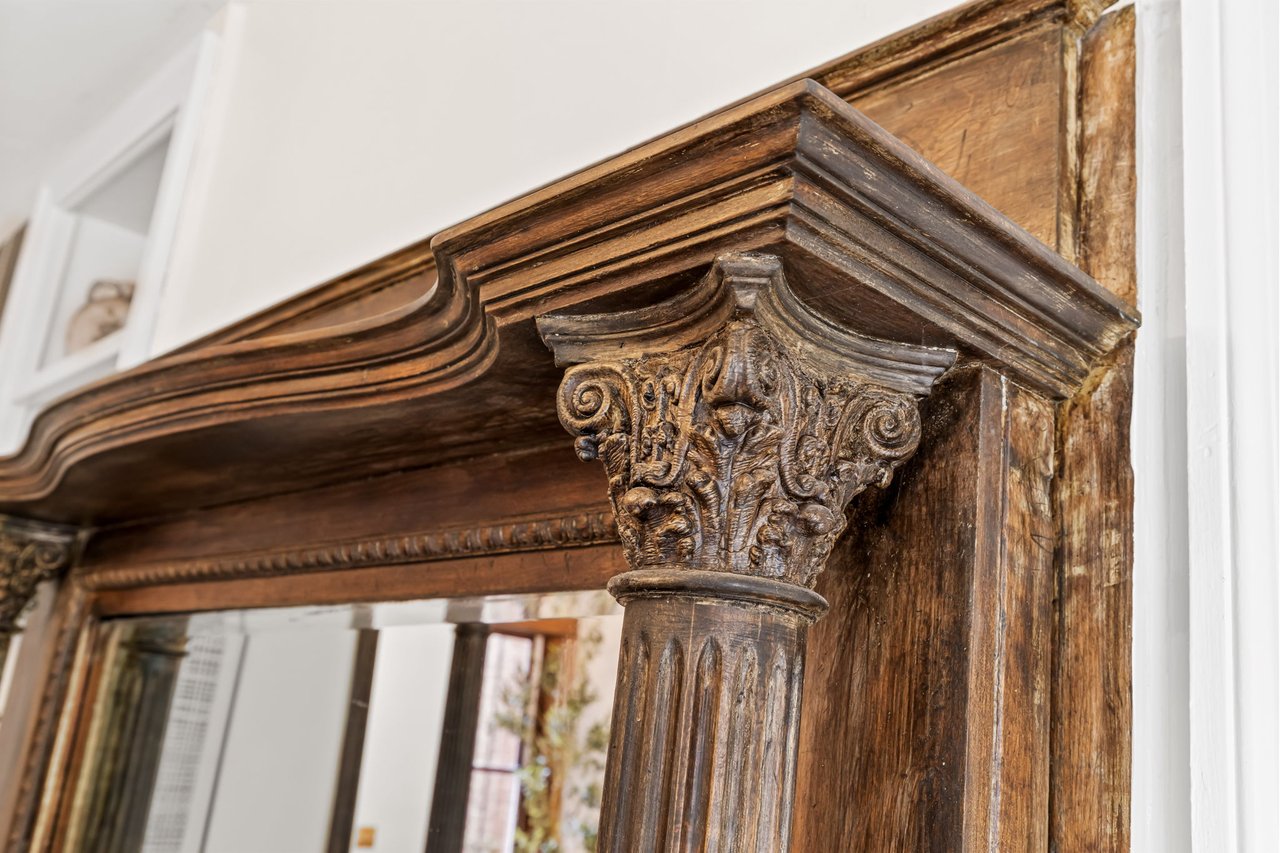
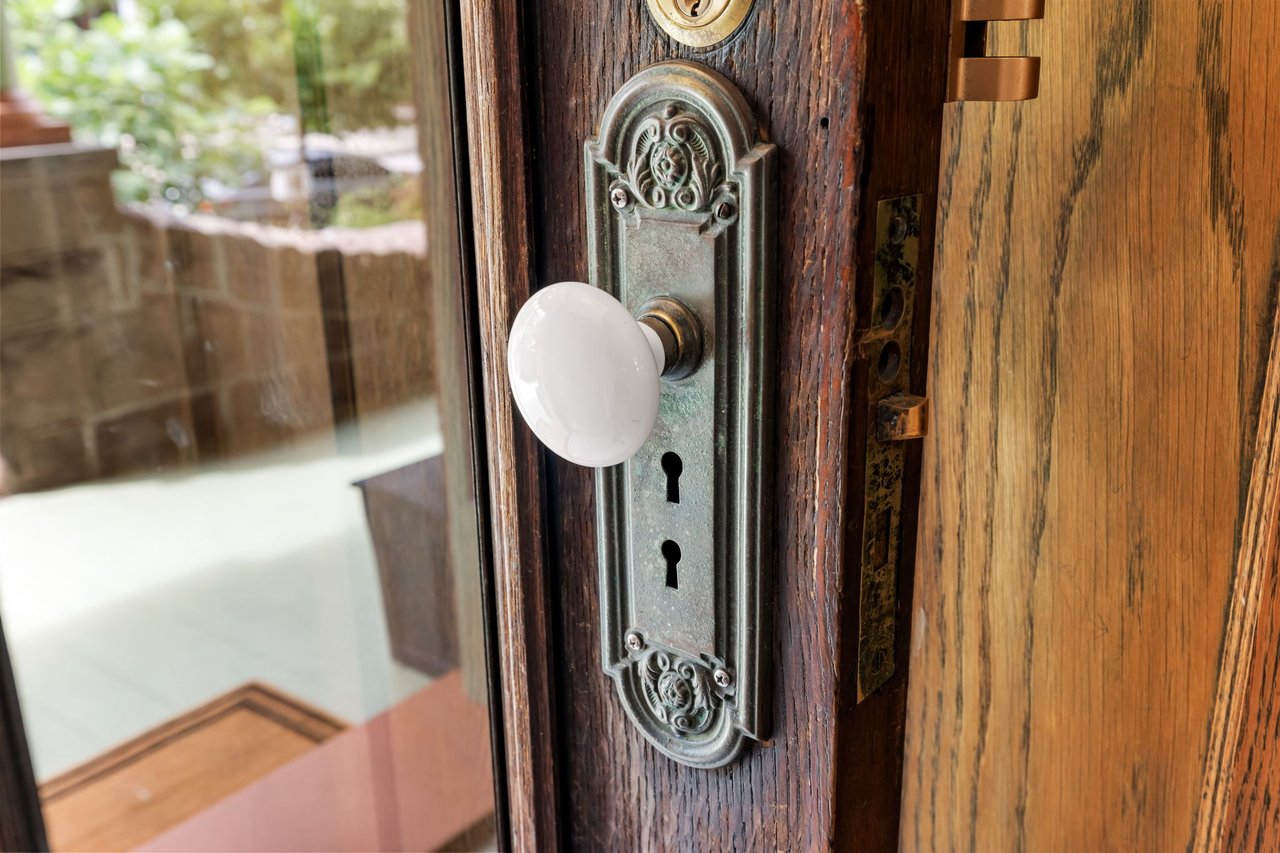
stained glass, marble and decorative tile mantels, ornamental plasterwork, historic staircases, original flooring, built ins, period hardware and historic windows can all contribute significantly to a property’s character and buyer appeal.

Sellers should not assume that these features need to be removed, replaced or modernized before listing. In many Baltimore historic homes, original architectural
details are exactly what buyers are seeking. My role is to help identify which features should be preserved, highlighted and incorporated into the home’s presentation and marketing.

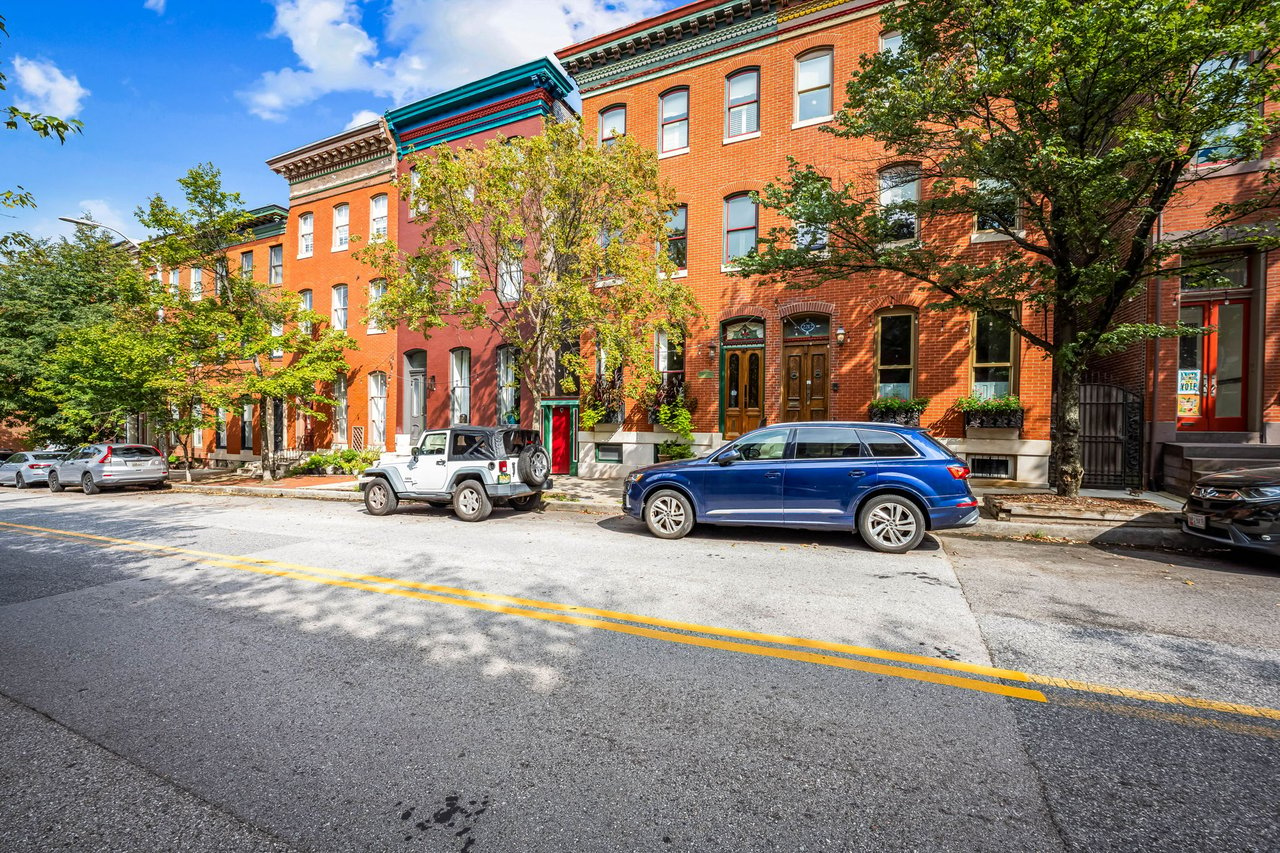
Historic red-brick rowhouses with ornate cornices and leafy street trees.

CHAP and Baltimore Historic Districts

Not every older or historic looking home in Baltimore is subject to CHAP regulations. Before recommending exterior improvements, sellers should determine whether the property is located within a locally designated historic district, individually designated, located only within a National Register historic district, or not formally designated at all.

For locally protected properties, CHAP reviews exterior changes to designated buildings, including work that may not be visible from the street. Depending on the project, sellers may need an Authorization to Proceed before completing exterior alterations, additions, window replacement or other regulated work.

Understanding the property’s designation status early can help avoid unnecessary expenses, delays and last minute surprises during pre listing preparation.

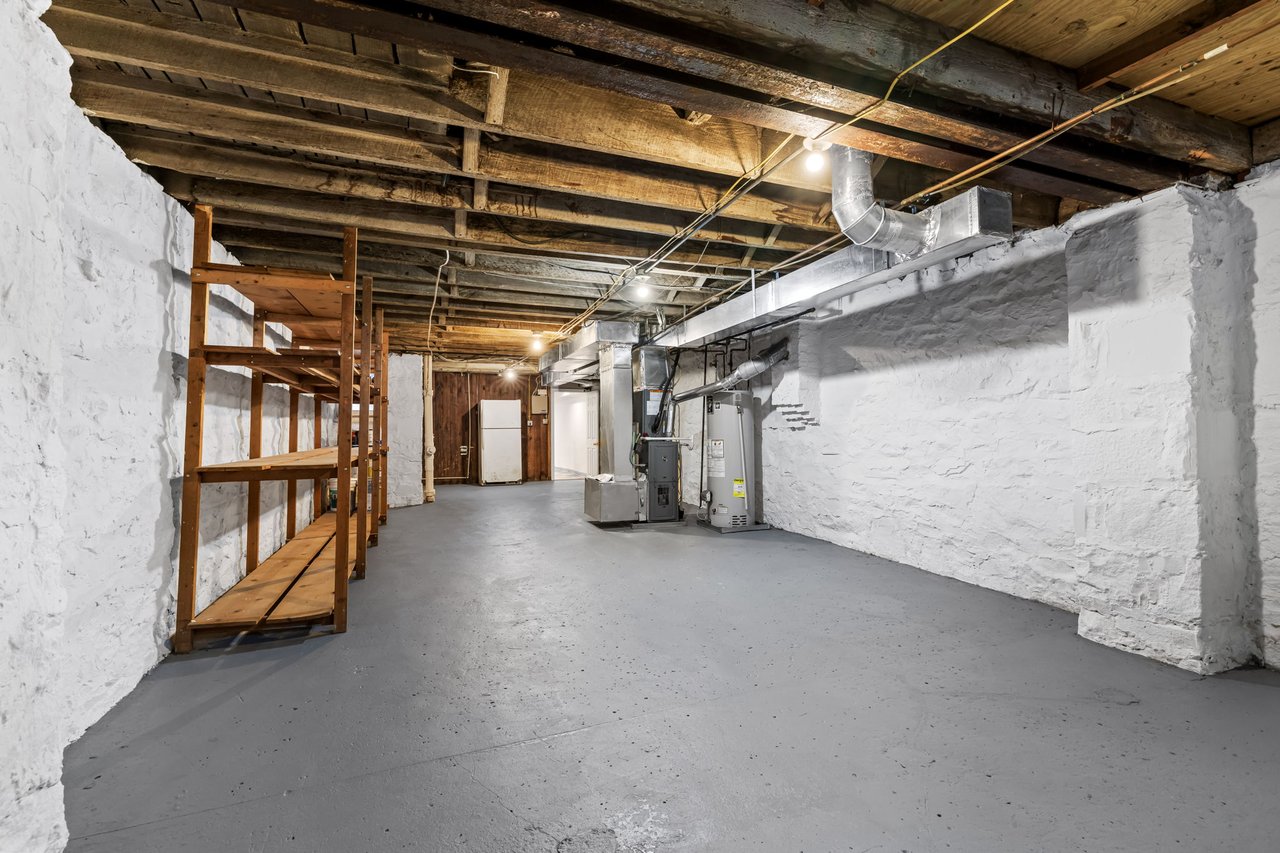
Basement with whitewashed stone walls, exposed wood joists, storage shelving, and mechanical equipment.

Older Systems Do Not Automatically Mean a Problem

Many historic Baltimore homes contain a combination of original construction, older mechanical systems and thoughtful modern upgrades. Sellers may be working with radiator heat, gas or oil boilers, older electrical or plumbing systems, traditional hot water systems, central air or supplemental cooling, and masonry chimneys.

Age alone does not determine whether a system is a liability. Condition, maintenance history, functionality and the quality of previous upgrades often matter far more to buyers. Before listing a historic home in Baltimore, I help sellers understand what systems are present, what has been updated and what documentation, service records or warranties may help buyers evaluate the property with greater confidence.

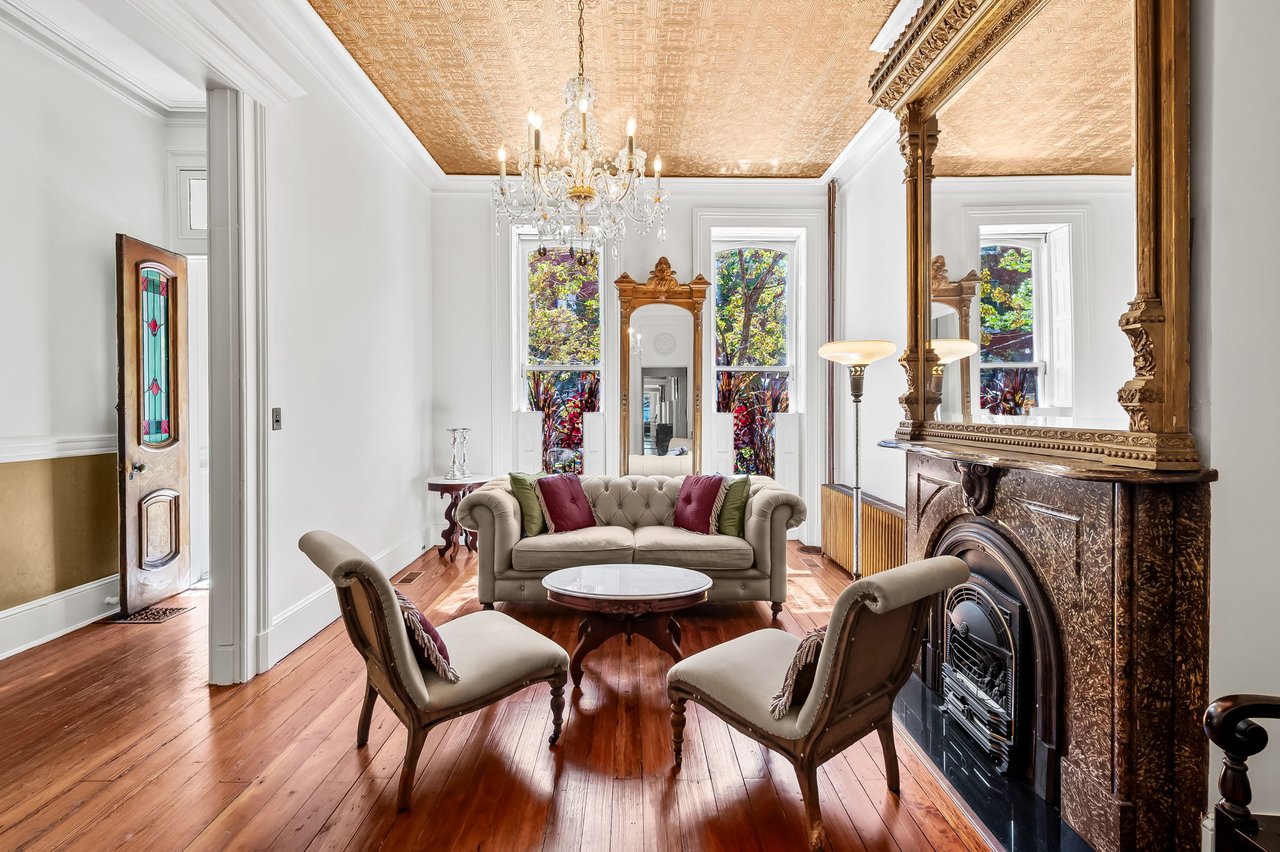
Living room with an ornate fireplace, chandelier, patterned ceiling, and stained-glass windows.

Historic Character and Modern Living

Today’s buyers often want the best of both worlds: the authenticity of a historic Baltimore home and the functionality of thoughtful modern improvements. Updated kitchens, renovated bathrooms, HVAC, electrical upgrades, plumbing, rear additions, roof work and structural improvements can all add value when they are well executed and appropriate for the property.

Attractive finishes alone are not enough. Buyers increasingly want to understand what work was completed, whether permits were obtained when required, and how well major renovations were integrated into the original structure. Clear documentation can help sellers build confidence and show that improvements were made with care rather than simply for appearance.

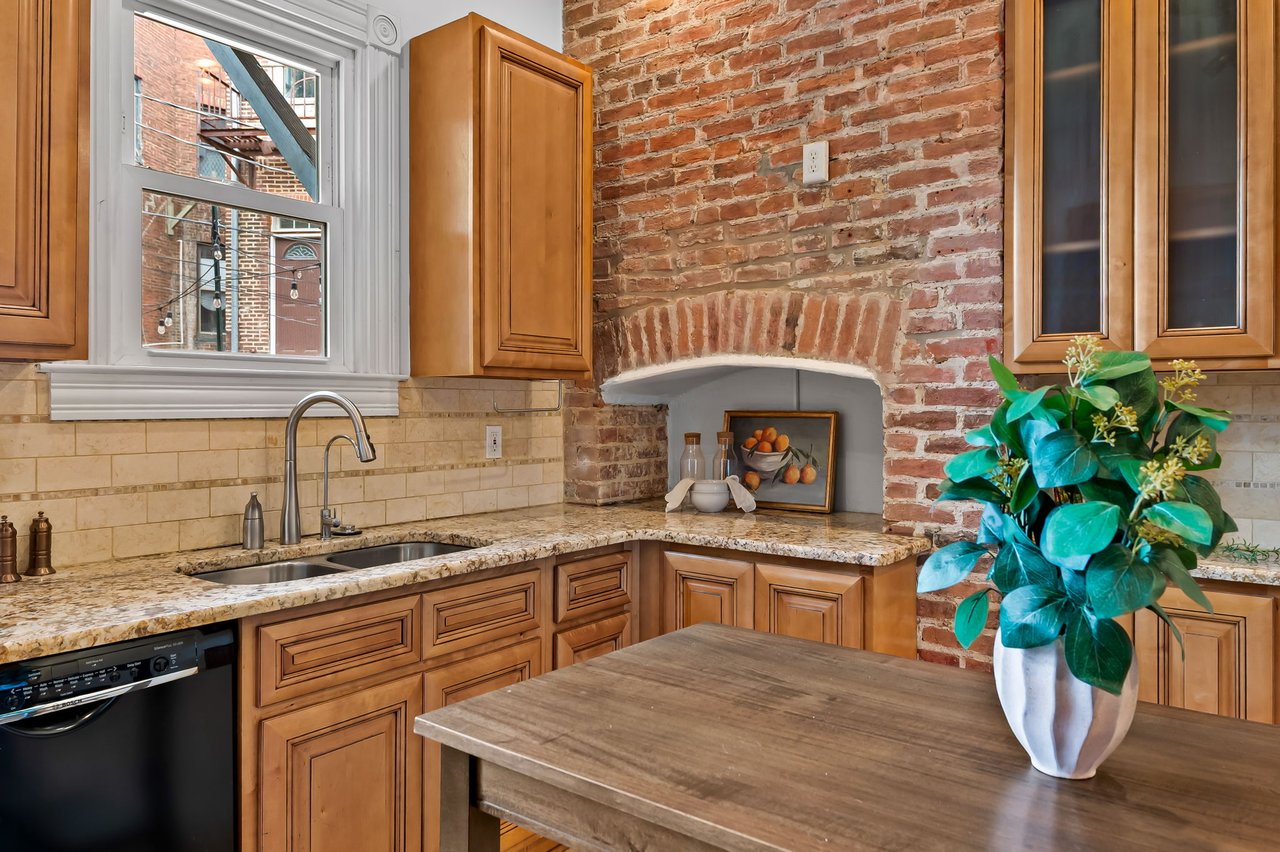
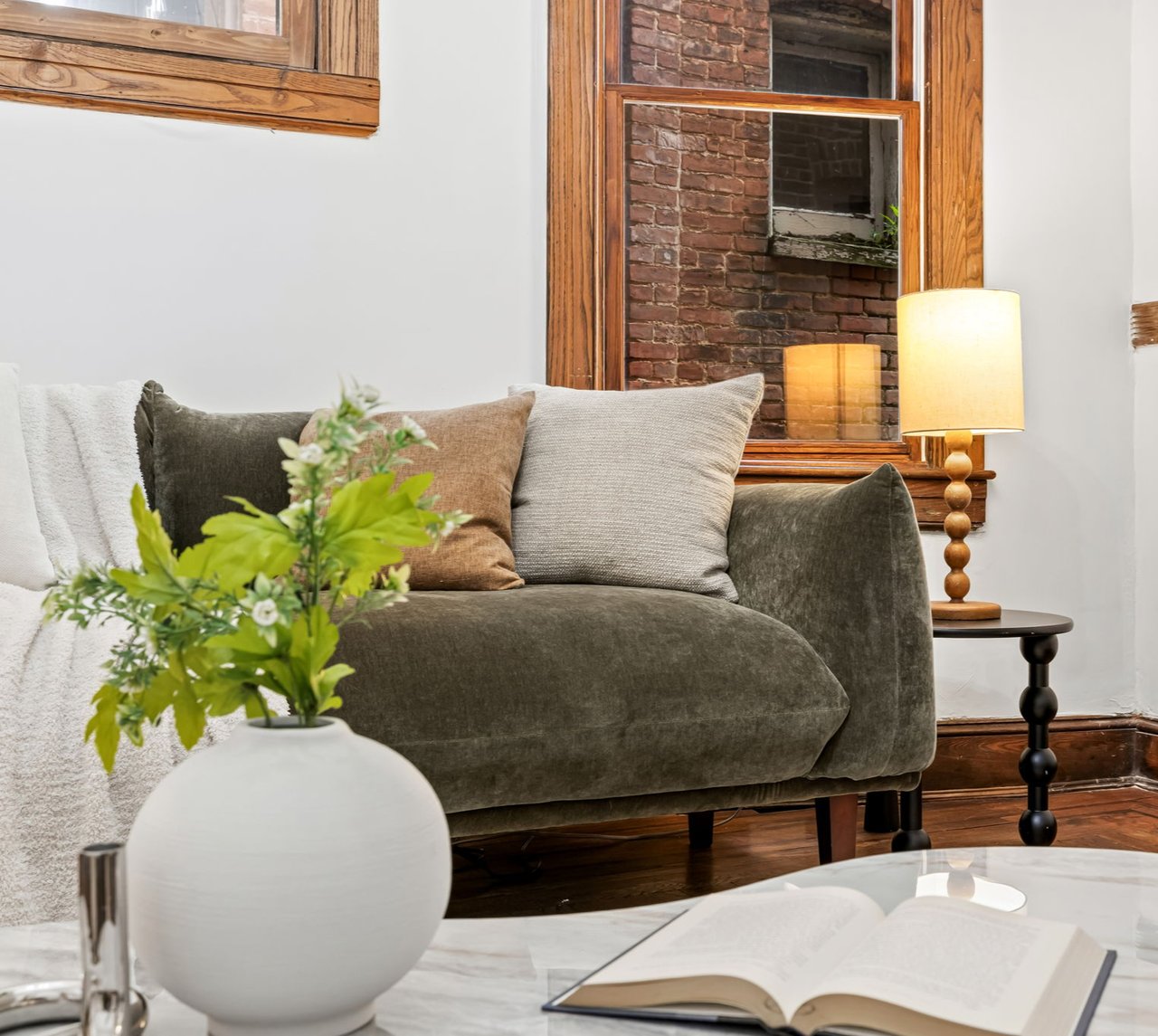
Living room with a dark gray sofa, wood-trimmed window, and exposed brick view.

Preparing a Historic Baltimore Home for Sale

The most important advice I give sellers is simple: do not start renovating before speaking with me. Preparing a historic home for sale is not about making everything new. It is about identifying the improvements that will strengthen buyer perception, address meaningful concerns and protect the architectural character that makes the property valuable.

Before listing a historic Baltimore home, I evaluate paint and plaster repairs, exterior maintenance, masonry, lighting, professional cleaning, landscaping, staging and minor repairs. I also recommend gathering permit documentation, warranties, service records and information about major system upgrades so buyers can better understand how the property has been maintained.

Potential inspection issues should also be considered before the home reaches the market. Addressing the right items in advance can improve buyer confidence, while spending money on unnecessary renovations may produce little or no return. My role is to help you distinguish between the two so your preparation budget is spent where it can make the greatest difference.

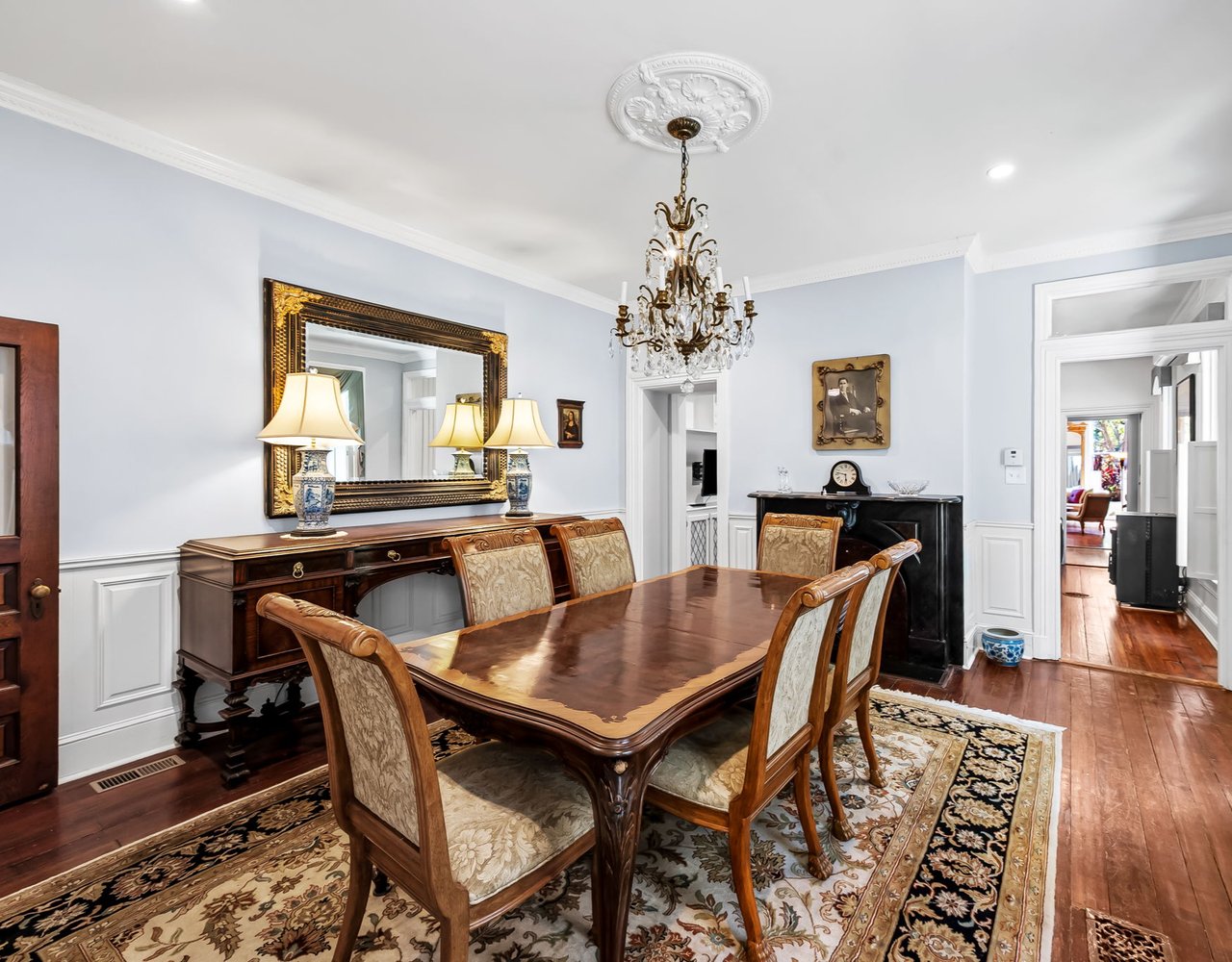
Formal dining room with a crystal chandelier, ornate mirror, and polished wood table.

Preparing for Inspections

Historic homes in Baltimore often generate longer inspection reports simply because they contain older materials, systems and construction methods. A lengthy report does not automatically mean the property has serious problems.

What matters is understanding the difference between routine maintenance, deferred maintenance, material defects and issues that may require evaluation by a specialist. Depending on the property, buyers may also request sewer, chimney, roof, electrical, moisture, environmental or structural inspections.

My experience with older Baltimore homes helps sellers anticipate the types of questions buyers are likely to raise and prepare for the inspection process with fewer surprises.

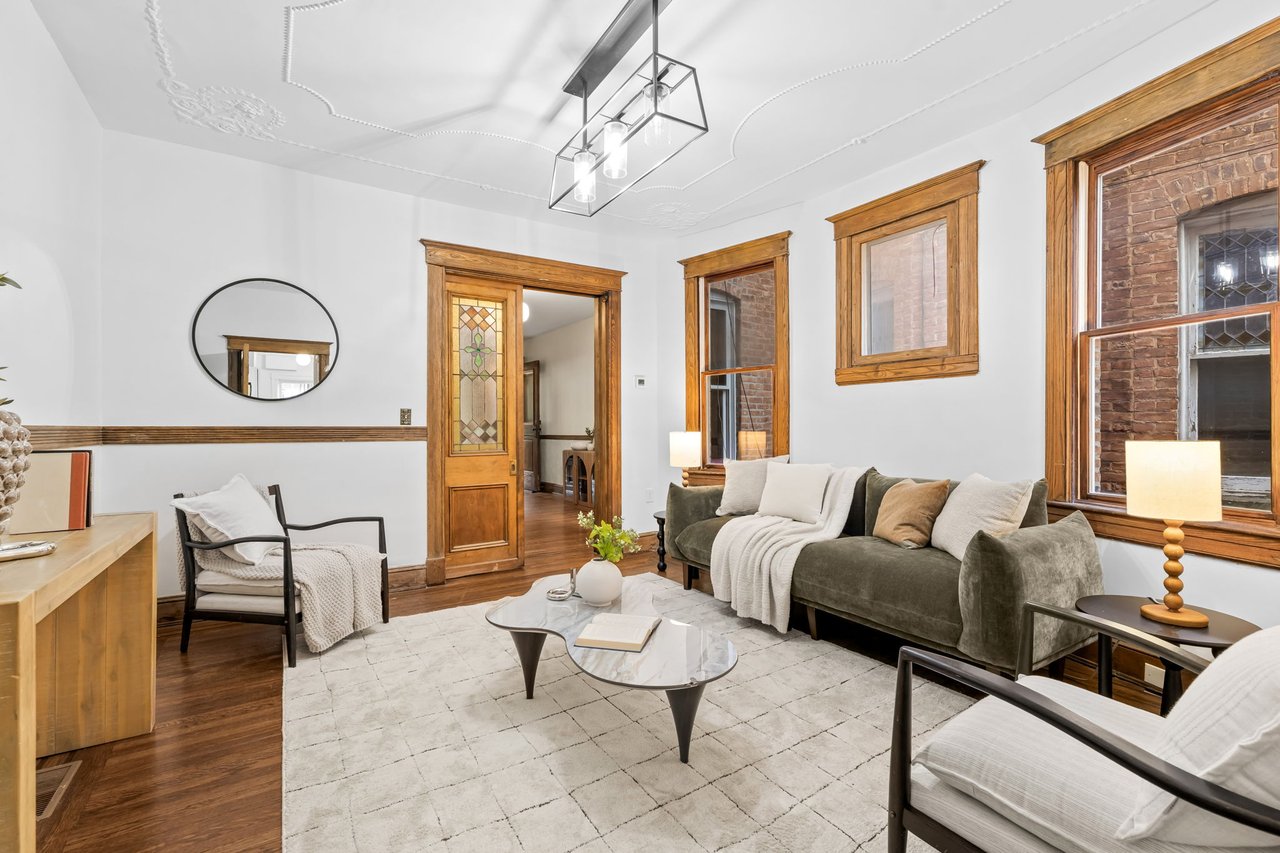
Living room with tall wood-trimmed windows, a stained-glass door, and a gray sofa.

Marketing a Historic Home in Baltimore

Historic homes should not be marketed like generic inventory. The goal is to show buyers not only the size and condition of the property, but also the architecture, original craftsmanship, scale, natural light, floor plan, streetscape, outdoor space, renovations and lifestyle that make the home distinctive.

Professional photography should capture the details buyers may not find elsewhere, including stained glass, mantels, staircases, original millwork, decorative tile, historic windows and exterior architecture. The marketing should also place the home in the context of its neighborhood, highlighting the character, history, walkability and amenities that contribute to the overall buyer experience.

When selling a historic home in Baltimore, strong marketing should tell the story of the property while still giving buyers the practical information they need to understand how the home lives today.
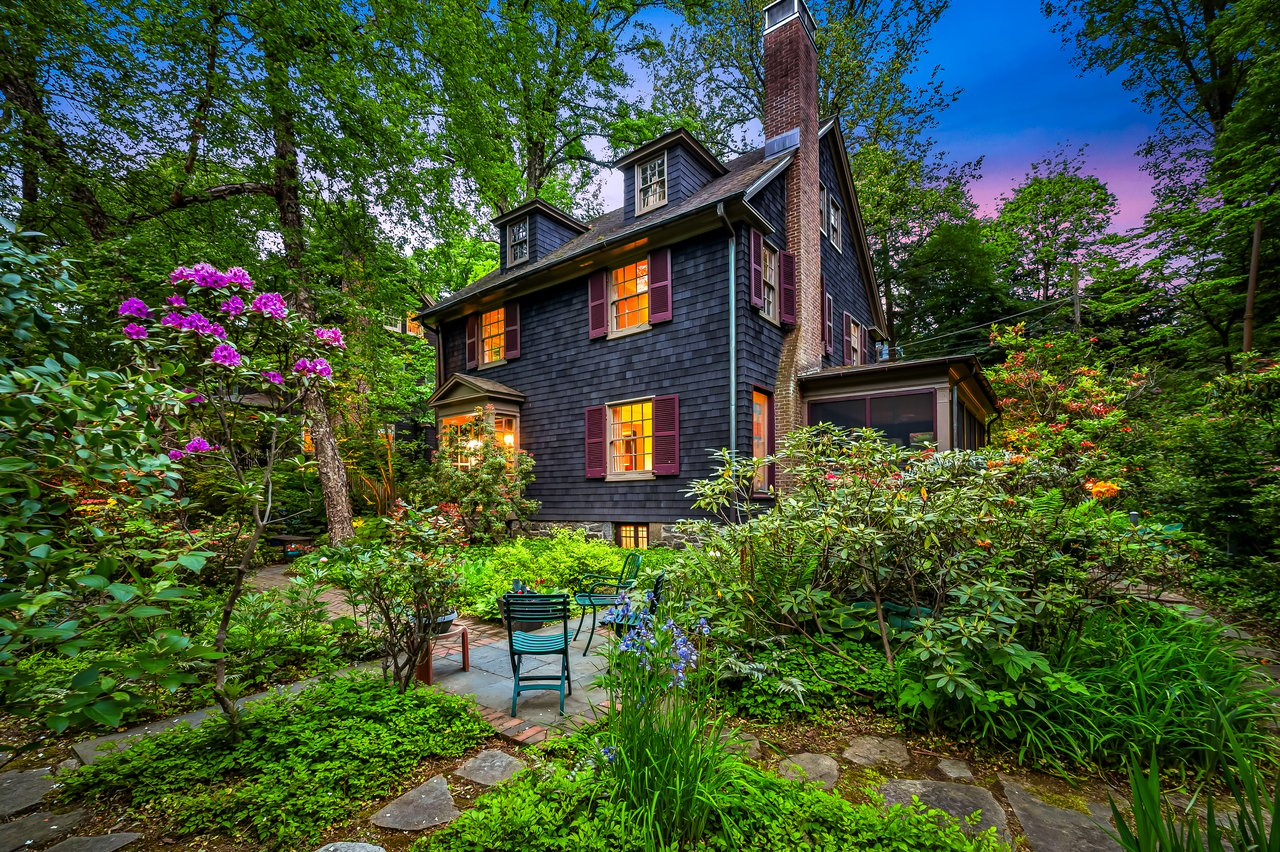
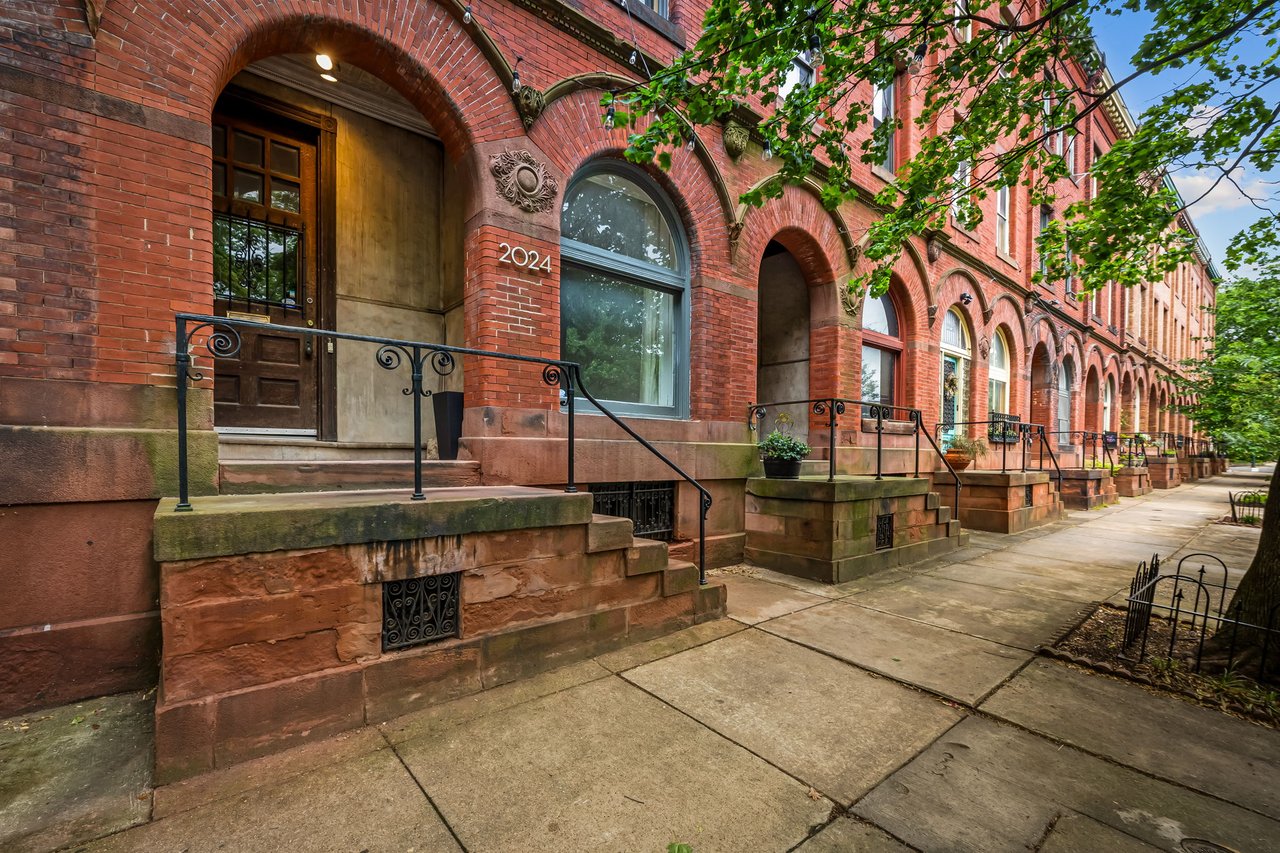
Historic red-brick rowhomes with arched entrances, stone stoops, and a tree-lined sidewalk.

Pricing a Historic Baltimore Home

Price per square foot alone is rarely enough to determine the value of a historic Baltimore home. Two properties with similar square footage can perform very differently based on width, original architectural details, renovation quality, condition, parking, outdoor space, natural light, floor plan, architectural integrity and exact location within the neighborhood.

Pricing requires a careful comparison of recent sales, current competition and the individual characteristics that make the property distinctive. In Baltimore’s historic neighborhoods, even two homes on the same block may command different values because of their condition, scale, craftsmanship or renovations.

My role is to interpret those differences and develop a pricing strategy that reflects both the market and the qualities buyers are most likely to value. That local knowledge is especially important when comparable sales are limited or no recent sale truly matches the property.

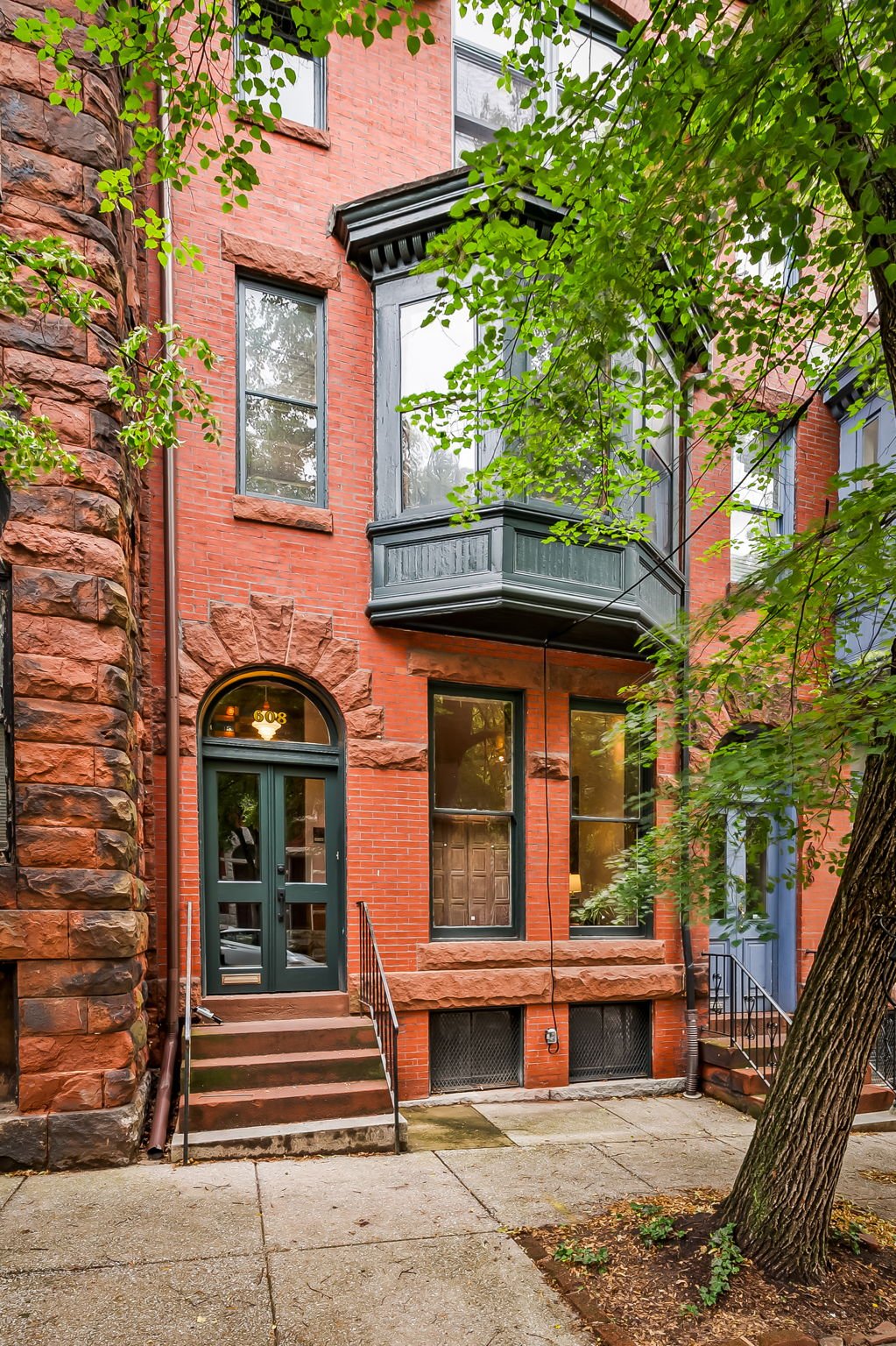
Historic red-brick rowhouse with stone trim, a projecting bay window, and leafy trees framing the facade.

Step 8: Close

You’ve reached the last step in the seller’s process. When you close on a home you are selling, you are legally transferring ownership of the property to the new buyer. We will meet with the company closing the transaction to sign the final paperwork and go over any issues that have not yet been taken care of. During this time, you can also make plans with your real estate agent to handle final details such as canceling utilities, cable, and lawn or trash services, changing the name on accounts that the new owner is retaining and ensuring the new owner has instructions for all appliances that will remain in the home.

Congratulations!

Once you have sold your home, you’re free to take the next step on your journey. Whether this is relocating to a new city, moving into a larger home, or downsizing and enjoying your life as empty-nesters, knowing all your selling responsibilities have been taken care of will help you achieve peace of mind for your new path.

Explore Baltimore's Historic Neighborhoods

Baltimore’s historic neighborhoods each offer a distinct combination of architecture, housing styles and streetscape. Understanding those differences is especially important when pricing and marketing a historic home for sale.

Why Sell a Historic Home With Jessica Dailey?

Frequently Asked Questions About Selling a Historic Home in Baltimore

Not necessarily. Before spending money, I recommend evaluating which improvements are likely to influence buyer perception, marketability and value, and which may not provide a meaningful return.

Sometimes, but value depends on much more than age. Architectural detail, condition, renovations, parking, outdoor space, location and buyer demand all influence how a historic home performs.

It can, depending on the property’s designation. Sellers should determine whether the home is locally designated, individually designated or located only within a National Register district before planning exterior work.

Not automatically. Historic windows can contribute to a home’s architectural character and may be worth preserving. Their condition, efficiency and any applicable historic district requirements should be considered first.

Not necessarily. Buyers often care more about condition, maintenance history and remaining useful life than the age or type of the system itself.

It can be helpful in some situations, especially if there are concerns about older systems, moisture or deferred maintenance. The decision should be based on the specific property and selling strategy.

The best improvements usually preserve architectural character while improving condition, functionality and presentation. Paint, plaster repairs, lighting, landscaping, maintenance and thoughtful kitchen or bath updates can all help when appropriate.

I look beyond price per square foot and evaluate width, architecture, condition, renovations, parking, outdoor space, floor plan, natural light and exact location within the neighborhood.

They should be photographed and described intentionally. Original millwork, stained glass, mantels, staircases, historic windows and decorative finishes can be major selling points when presented well.

Useful records can include permits, warranties, contractor invoices, renovation documentation, system service records, roof information and any other materials that help buyers understand the property’s maintenance and improvements.

Considering Selling a Historic Home in Baltimore?

Before you renovate, replace original features or spend money preparing your property, I would be happy to walk through the home with you.
I can help you determine what is worth addressing, what should be preserved and how I would position the property in the current Baltimore real estate market.