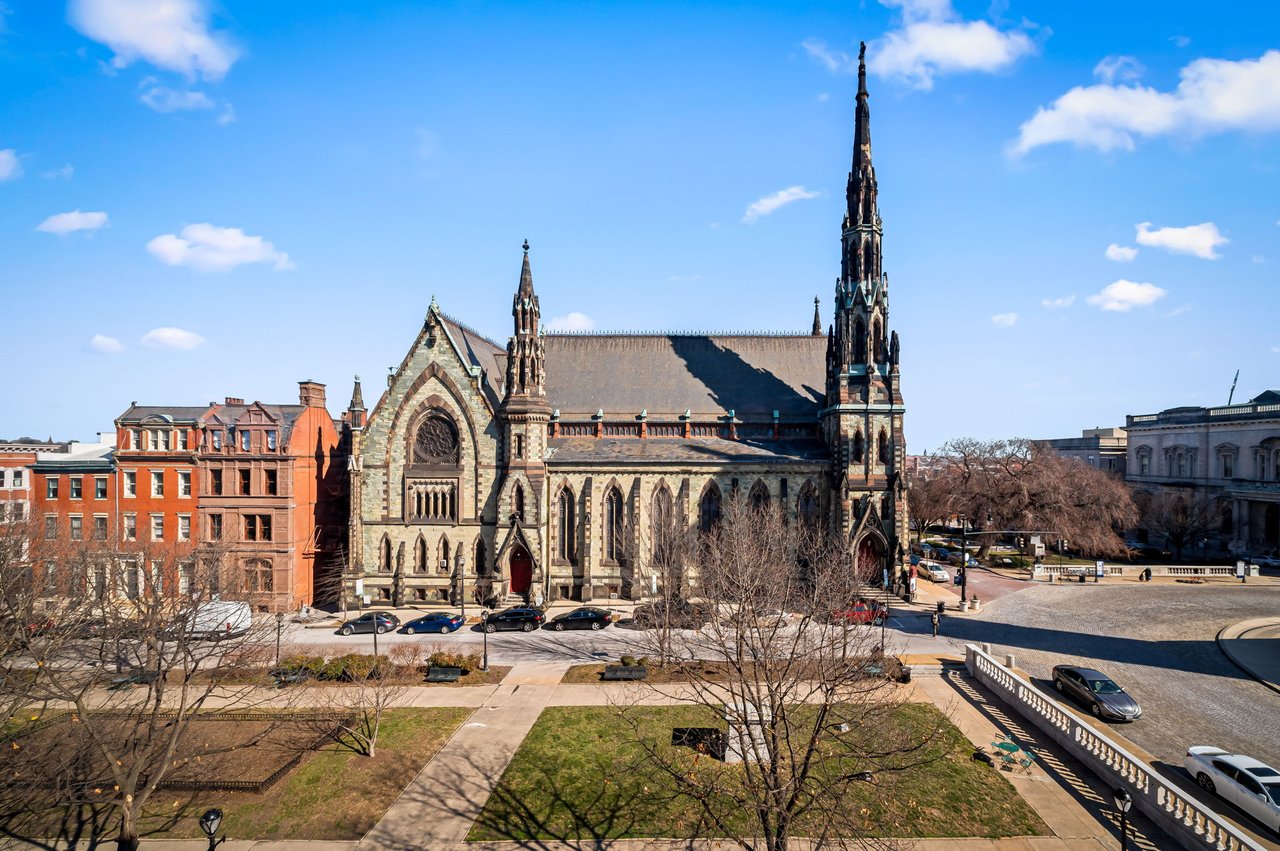
Historic architecture offers character that cannot be
recreated, but older homes require informed evaluation before you buy.
With more than 22 years of Baltimore real estate experience, I help buyers evaluate historic homes
with a careful eye toward architecture, condition, renovations and long term value. My role is to help you
understand both the character and the practical realities of an older home so you can make a confident,
well informed purchase.
Ready to find the right historic home in Baltimore?
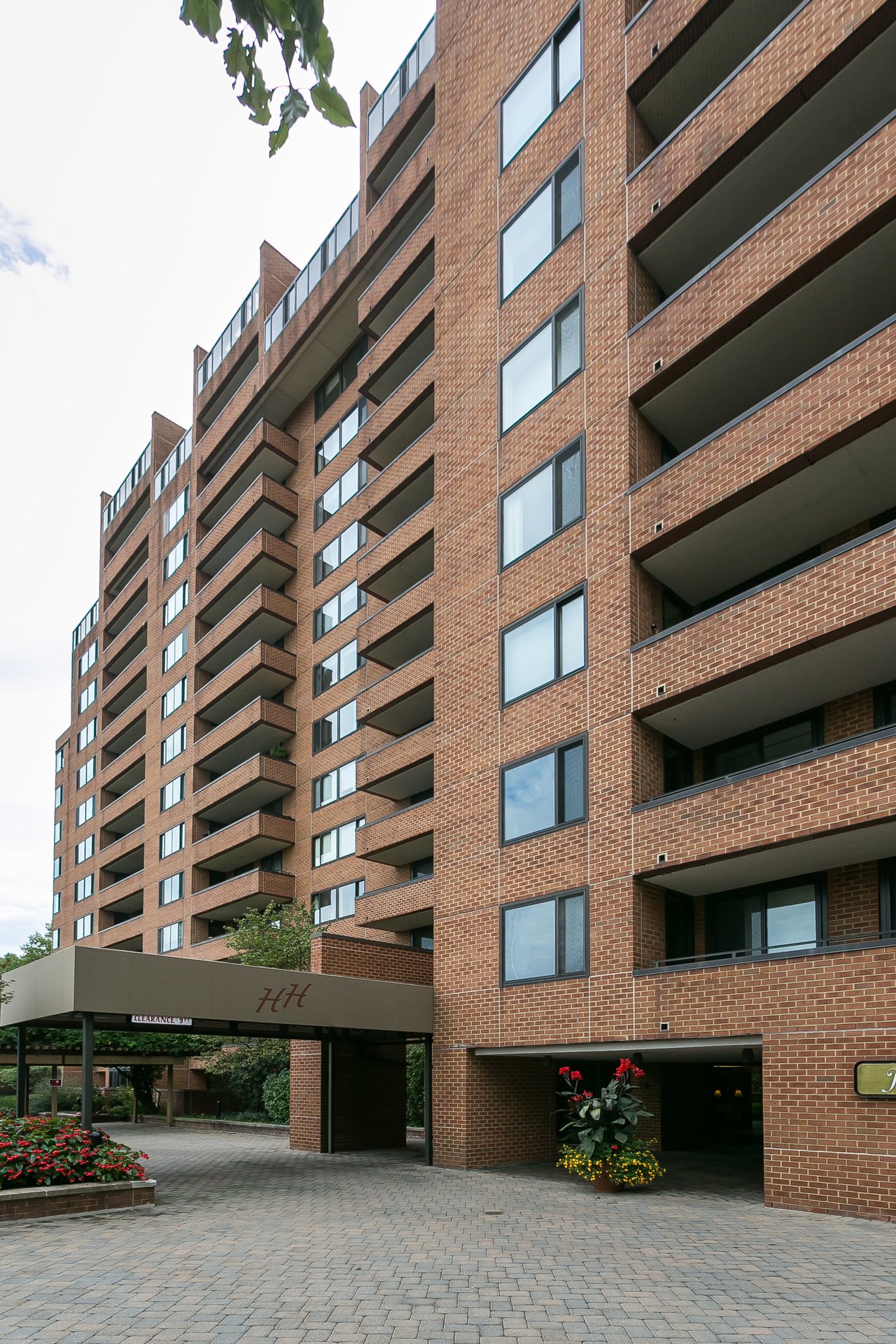
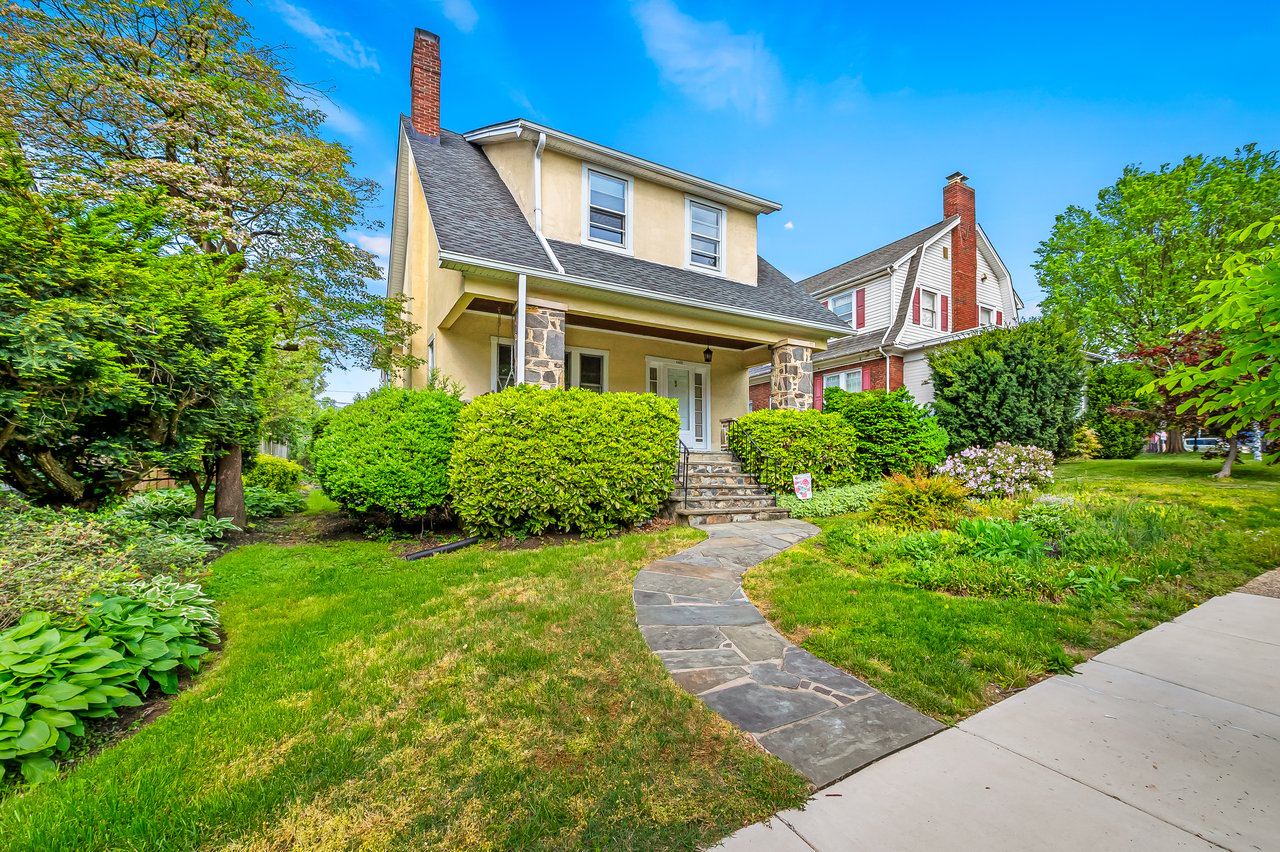
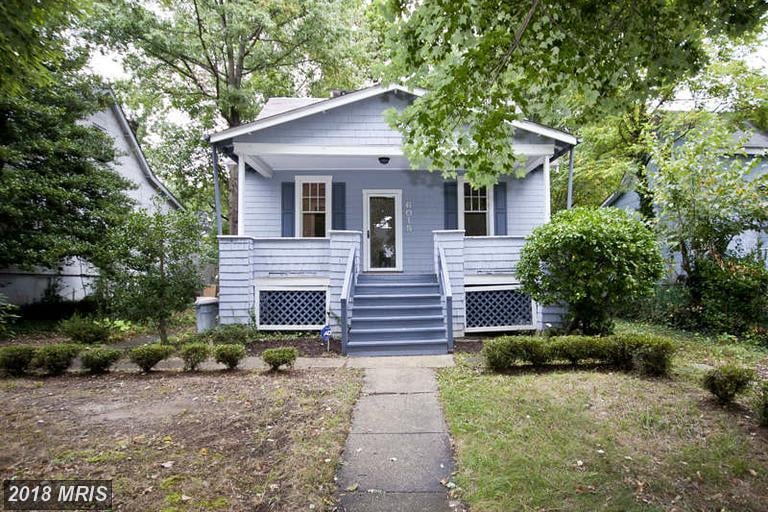
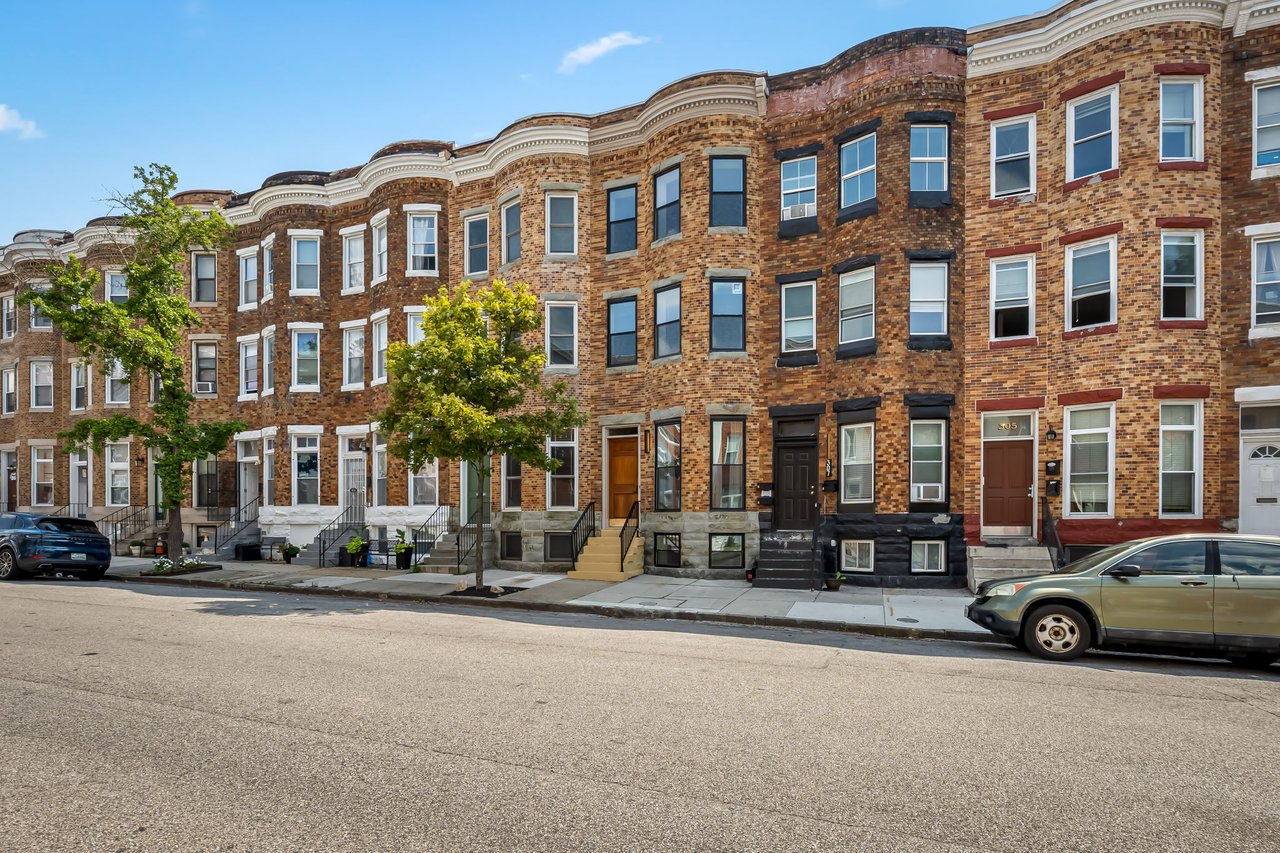
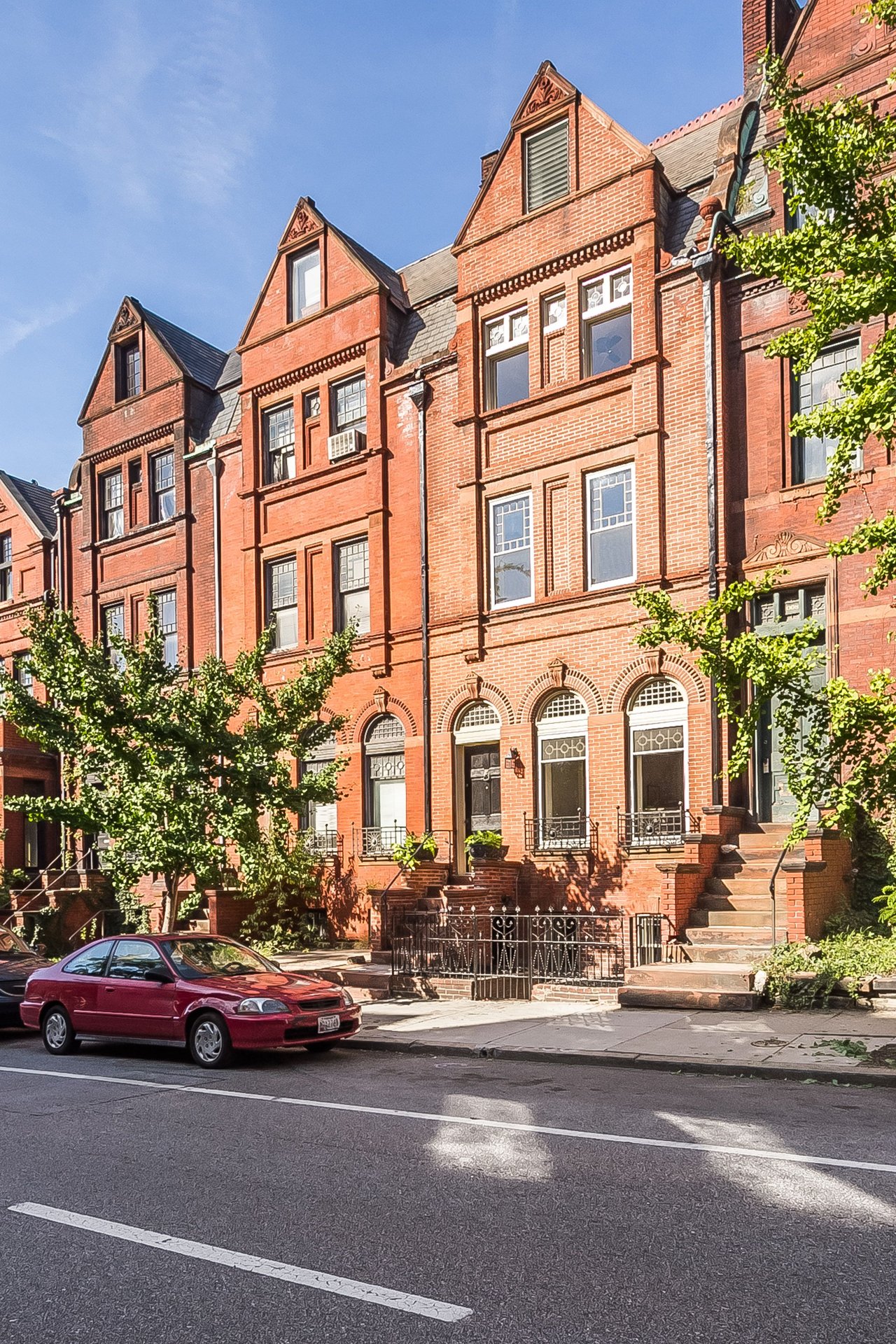
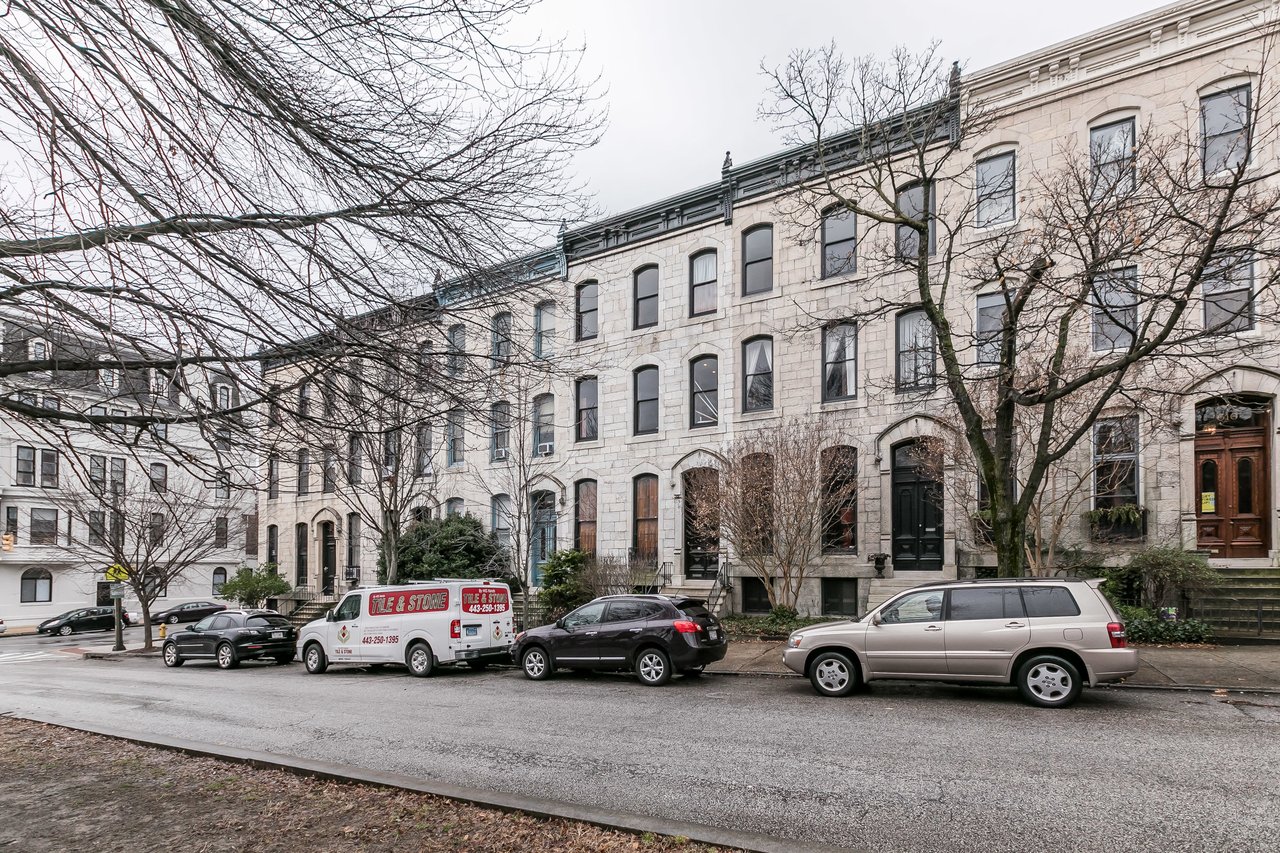
Baltimore has an unusually rich inventory of historic homes, from grand nineteenth century townhouses and Victorian rowhouses to early twentieth century detached homes in some of the city’s most distinctive neighborhoods. Baltimore historic homes can vary tremendously by neighborhood, age, architectural style, renovation history and overall condition, which makes local knowledge especially important when evaluating a property.
For buyers considering historic homes for sale in Baltimore, the details matter. Original architecture, previous renovations, mechanical systems, lot configuration, parking and the exact location within a neighborhood can all influence both value and long term ownership. Buying an older home in Baltimore requires more than comparing square footage and finishes. It requires understanding the house in the context of Baltimore’s historic neighborhoods and the market surrounding it.
One of the greatest advantages of buying a historic home in Baltimore is the opportunity to own architectural details that are increasingly difficult, and often prohibitively expensive, to recreate.
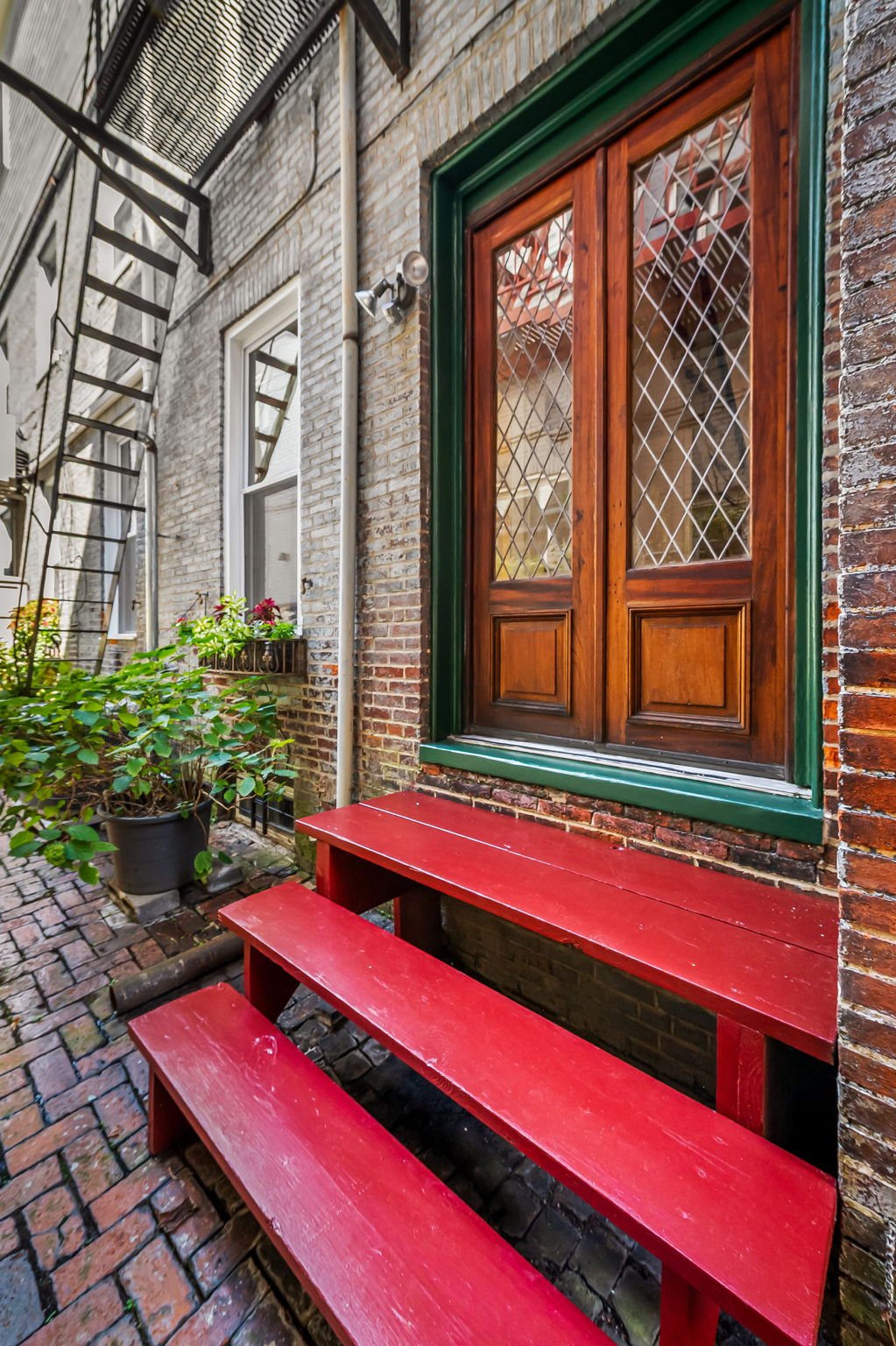
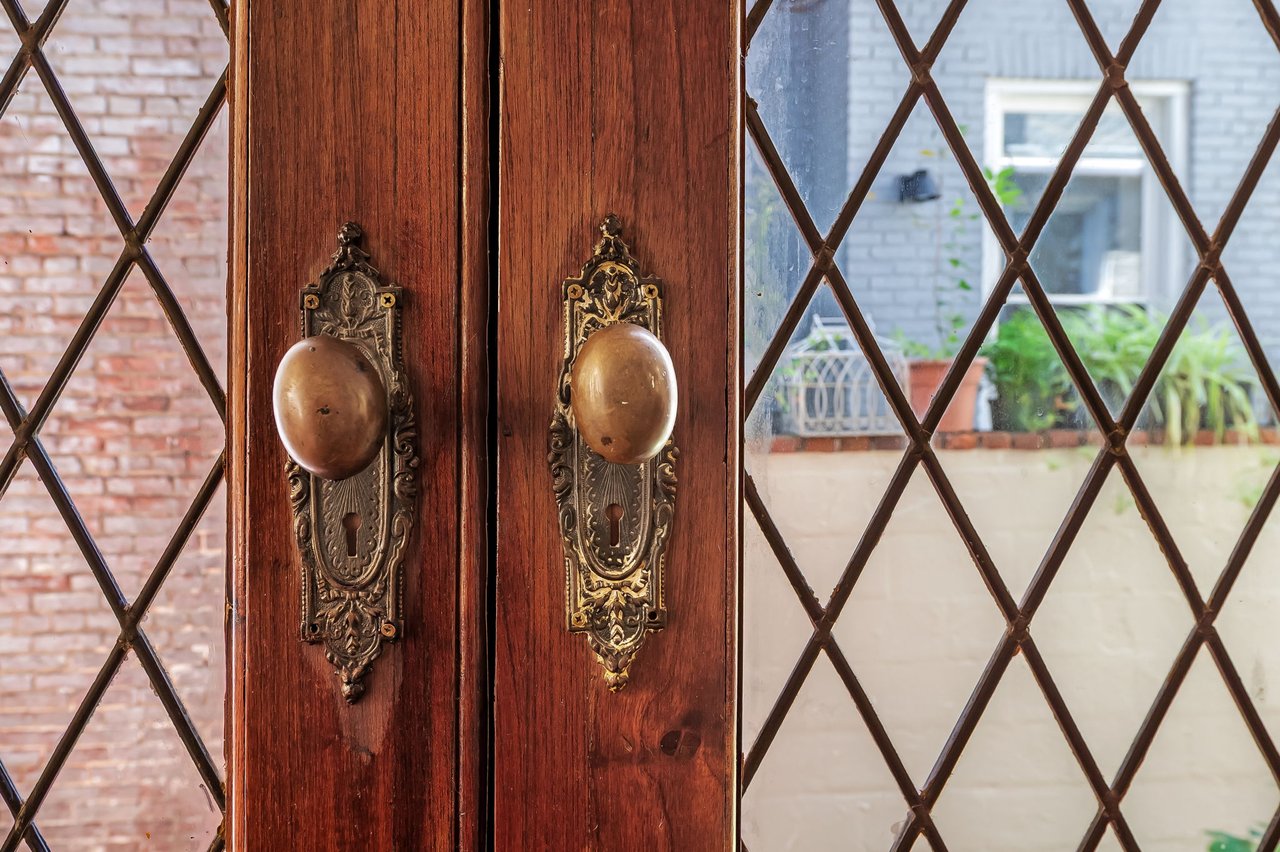
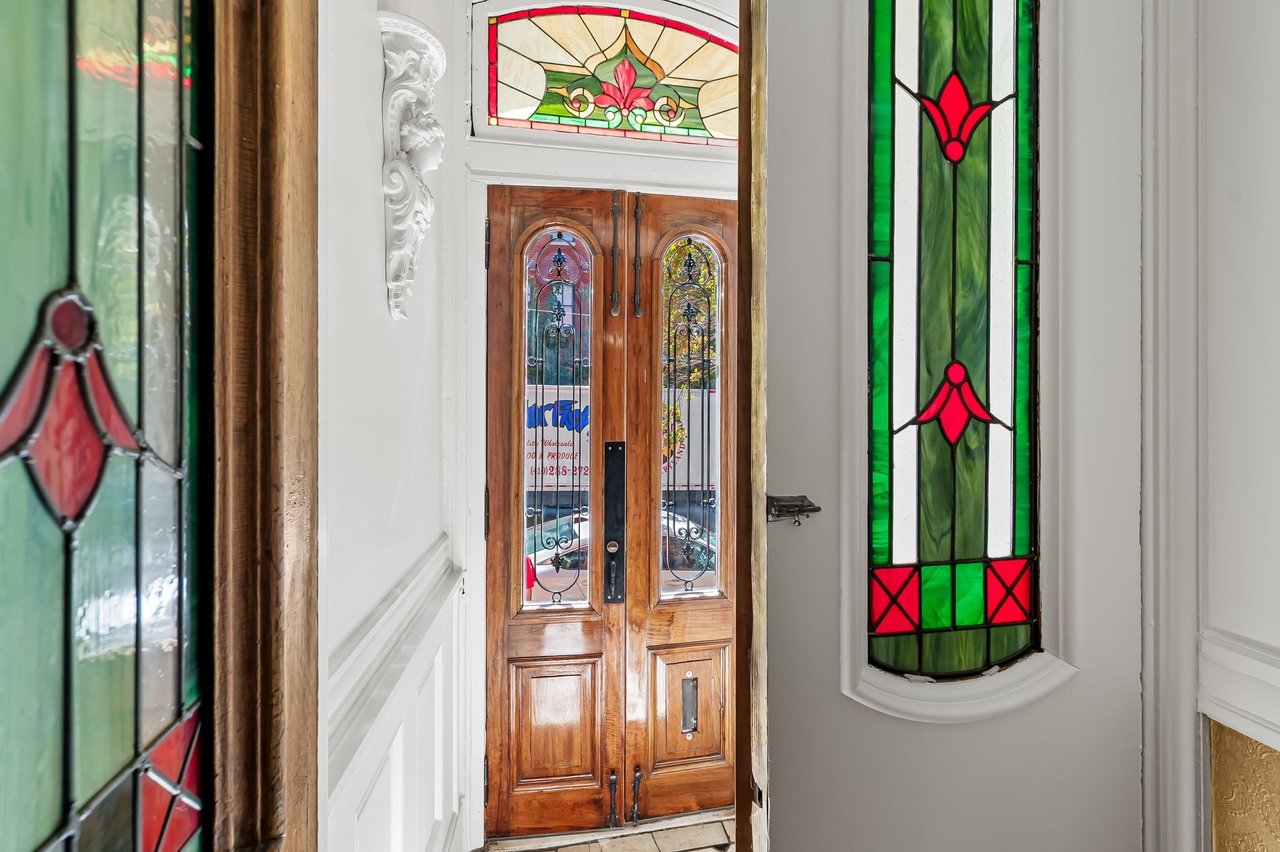
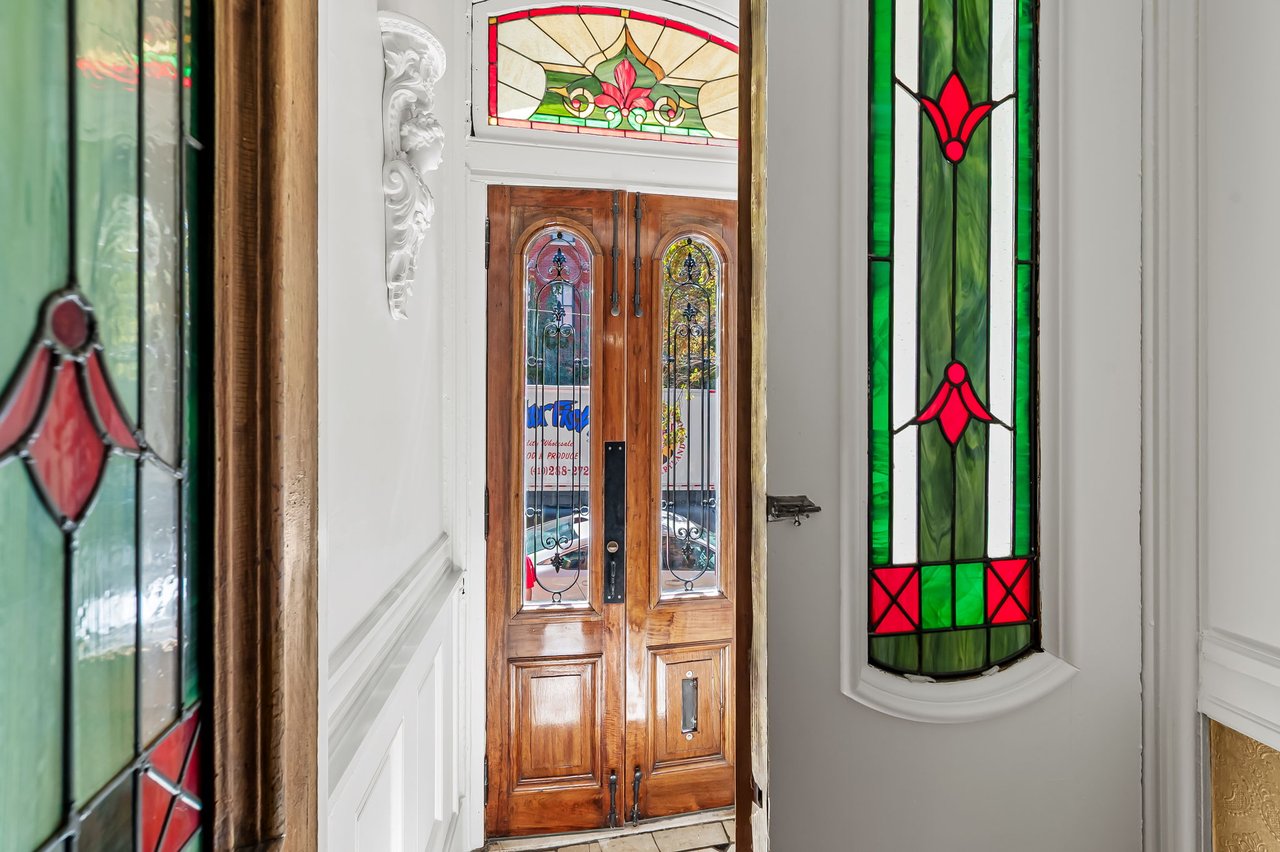
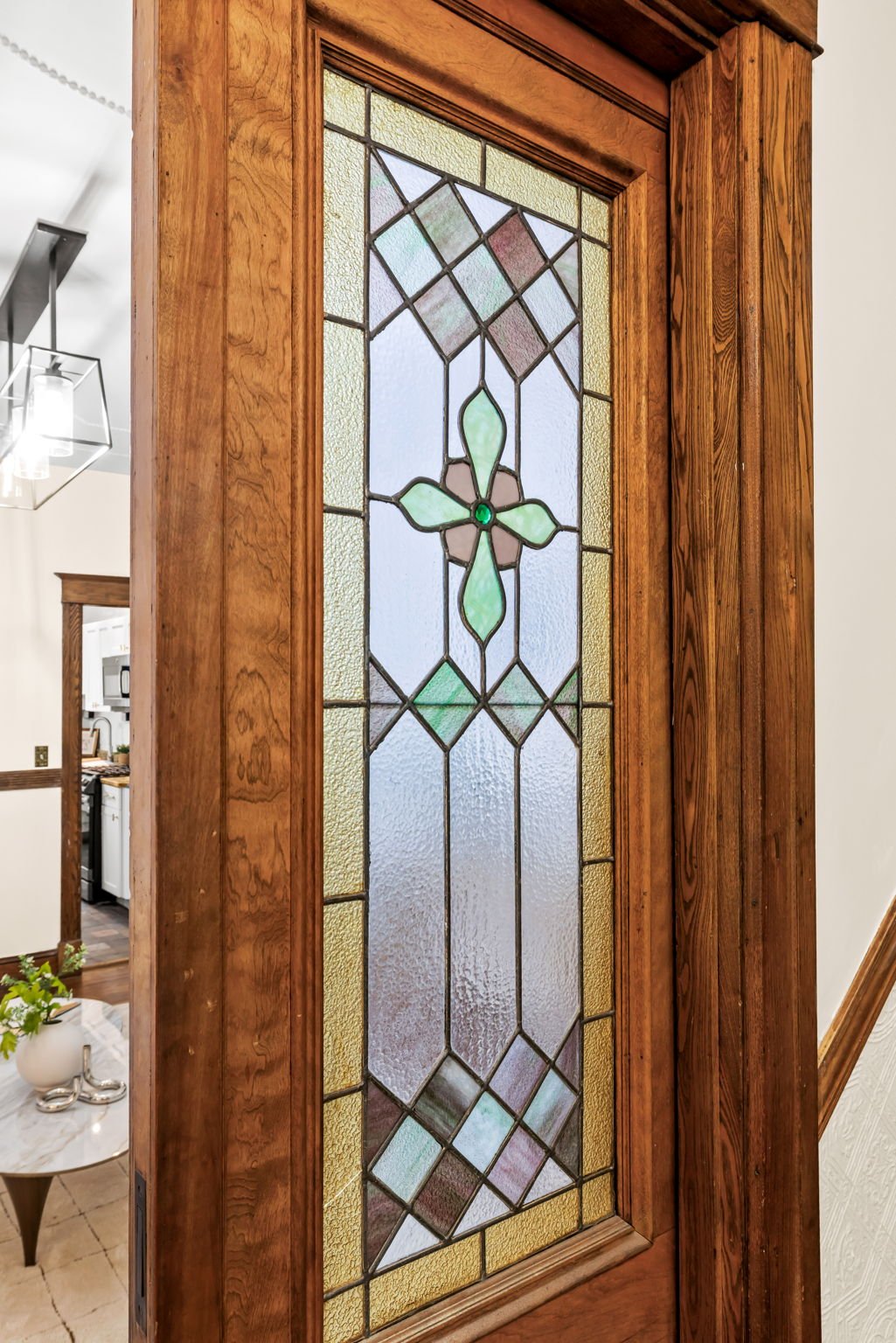
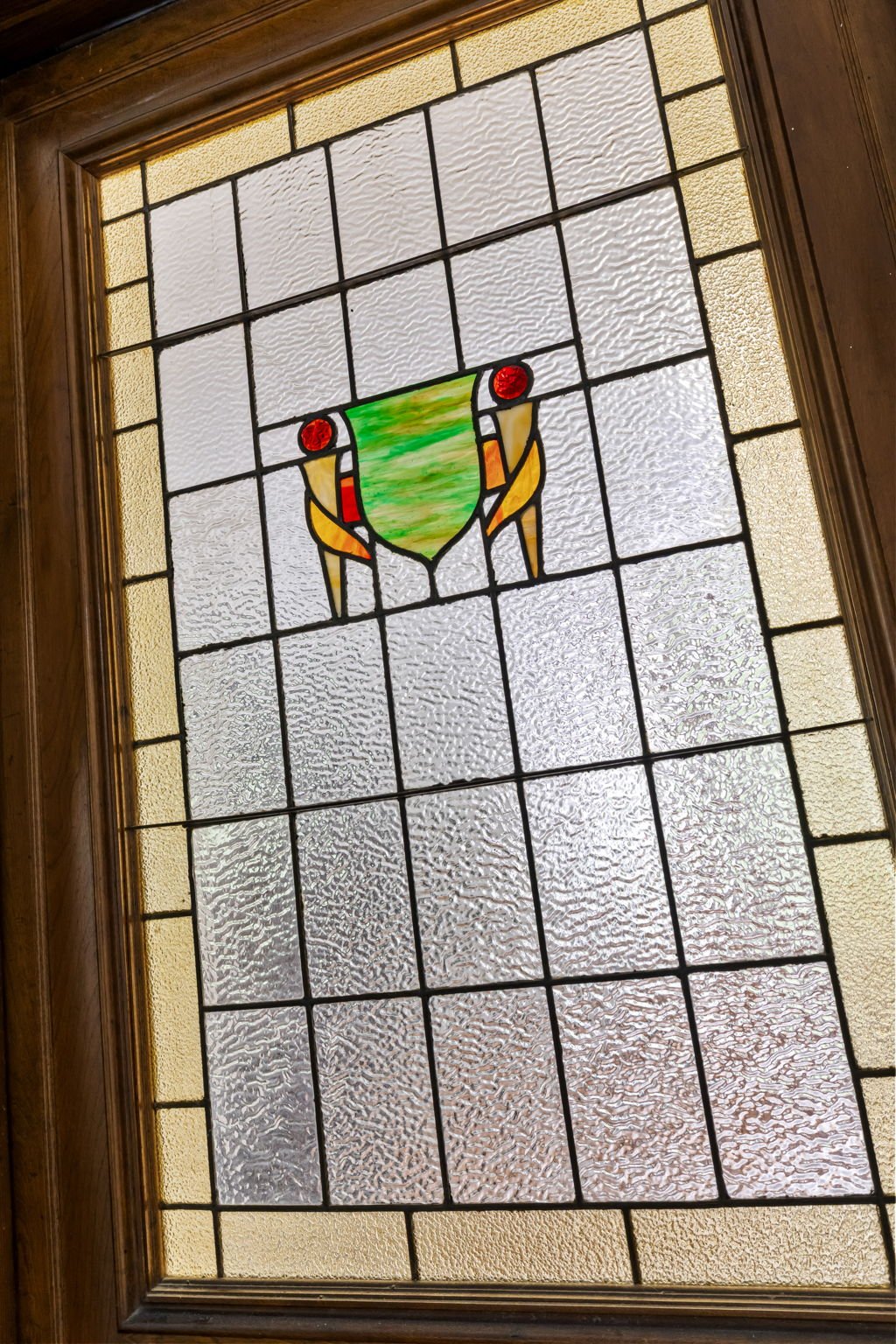
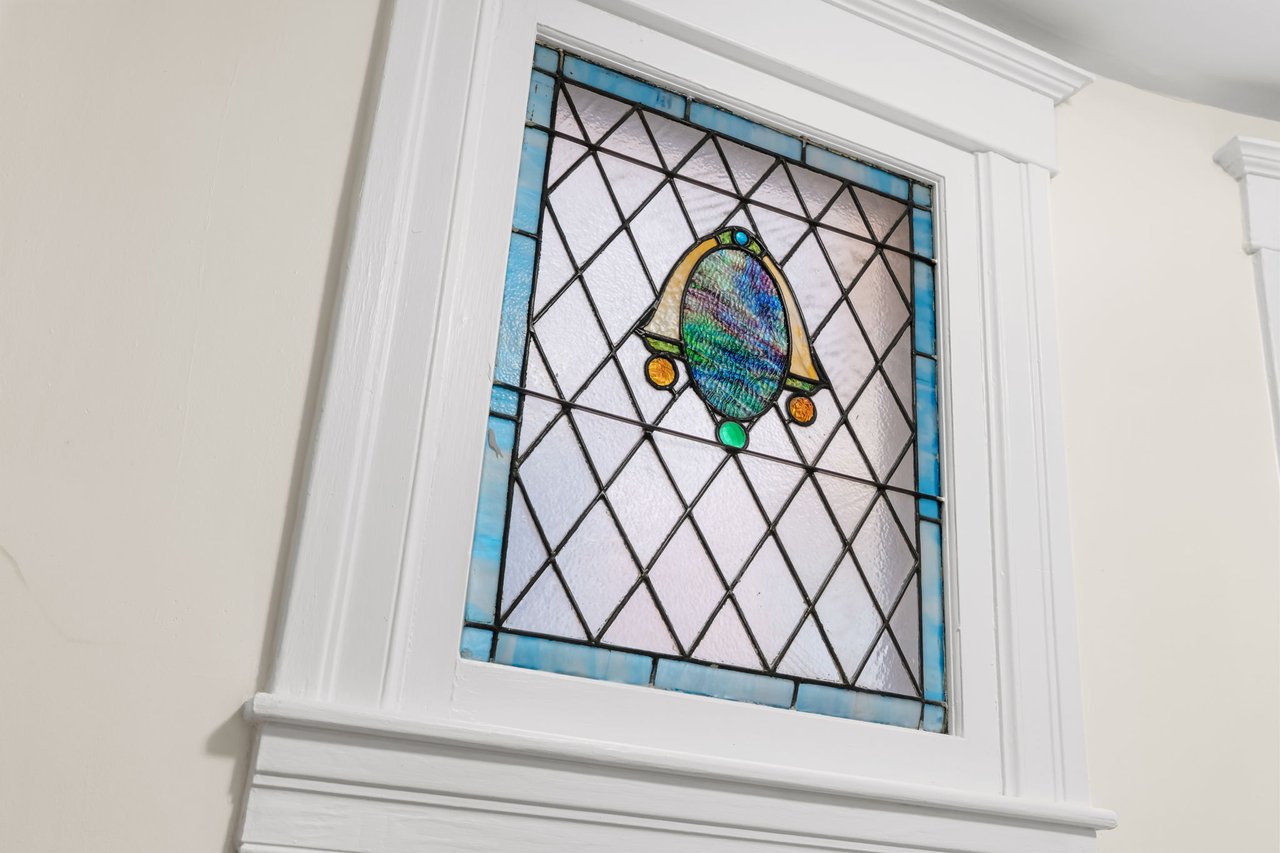
Buyers may encounter original millwork, pocket doors, stained glass, marble and decorative tile mantels, ornamental plasterwork, historic staircases, built ins, original wood flooring, period hardware and historic windows. These elements can contribute significantly to a home’s character, craftsmanship and overall appeal.
Older does not automatically mean outdated. In many Baltimore historic homes, well preserved original features are among the qualities that make the property distinctive and desirable. The key is understanding their condition, authenticity and how they work alongside later renovations and modern systems.
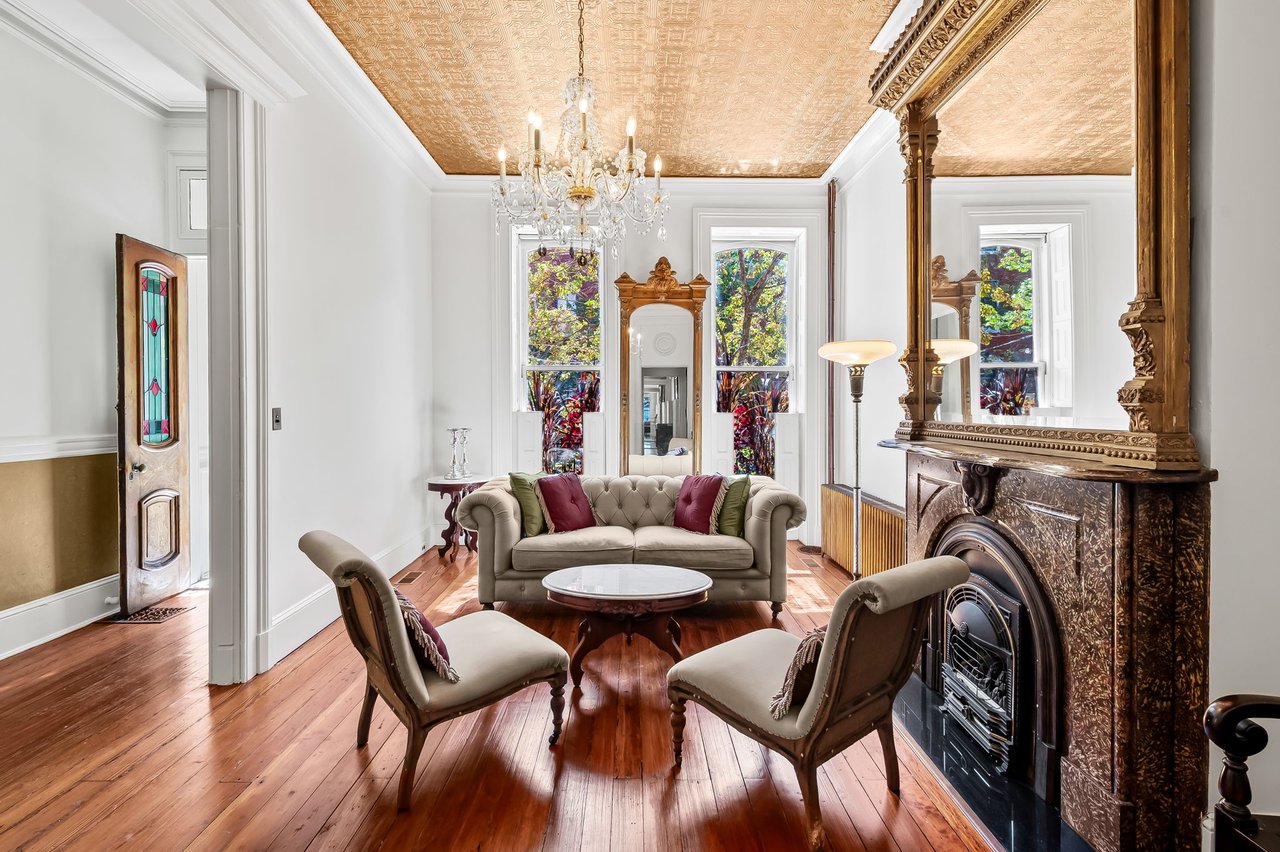
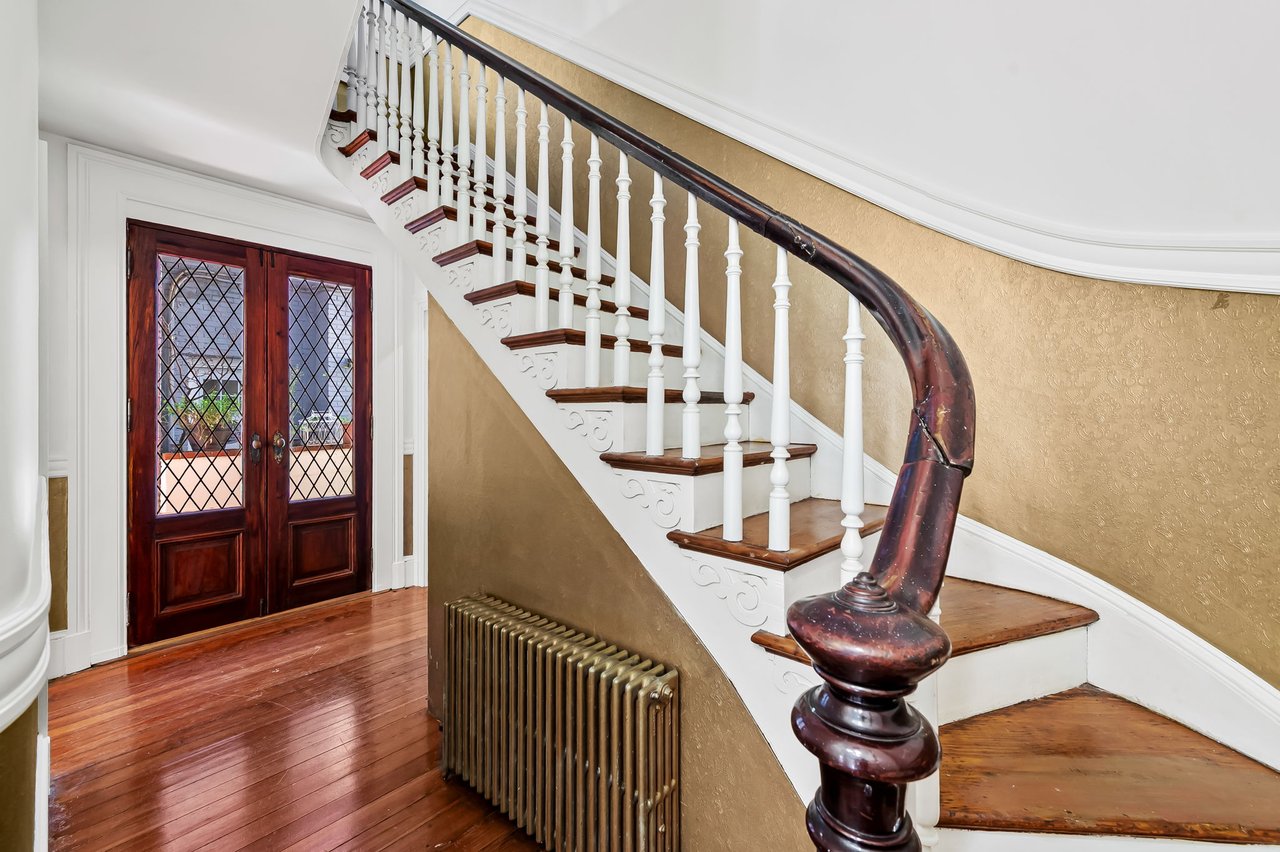
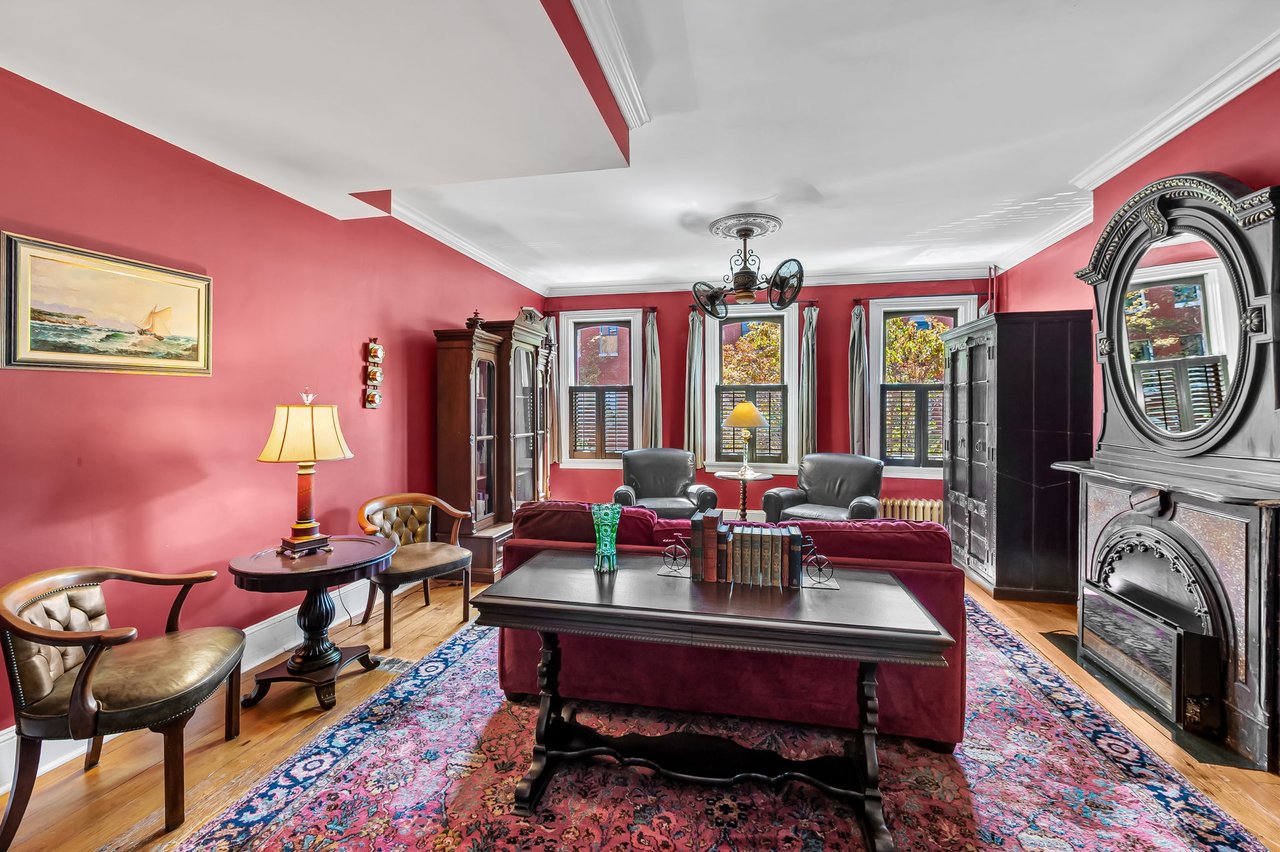
Many Baltimore historic homes contain a mix of original construction, older mechanical systems and modern upgrades. Buyers may encounter radiator heat, gas or oil boilers, older electrical systems, a variety of plumbing materials, central air or supplemental cooling, traditional hot water systems and masonry chimneys.
Age alone does not determine whether a system is problematic. Condition, maintenance history, quality of previous upgrades and remaining useful life matter far more. When buying an older home in Baltimore, the goal is to understand how each system is functioning today, what may require near term attention and which components have been properly maintained or updated.
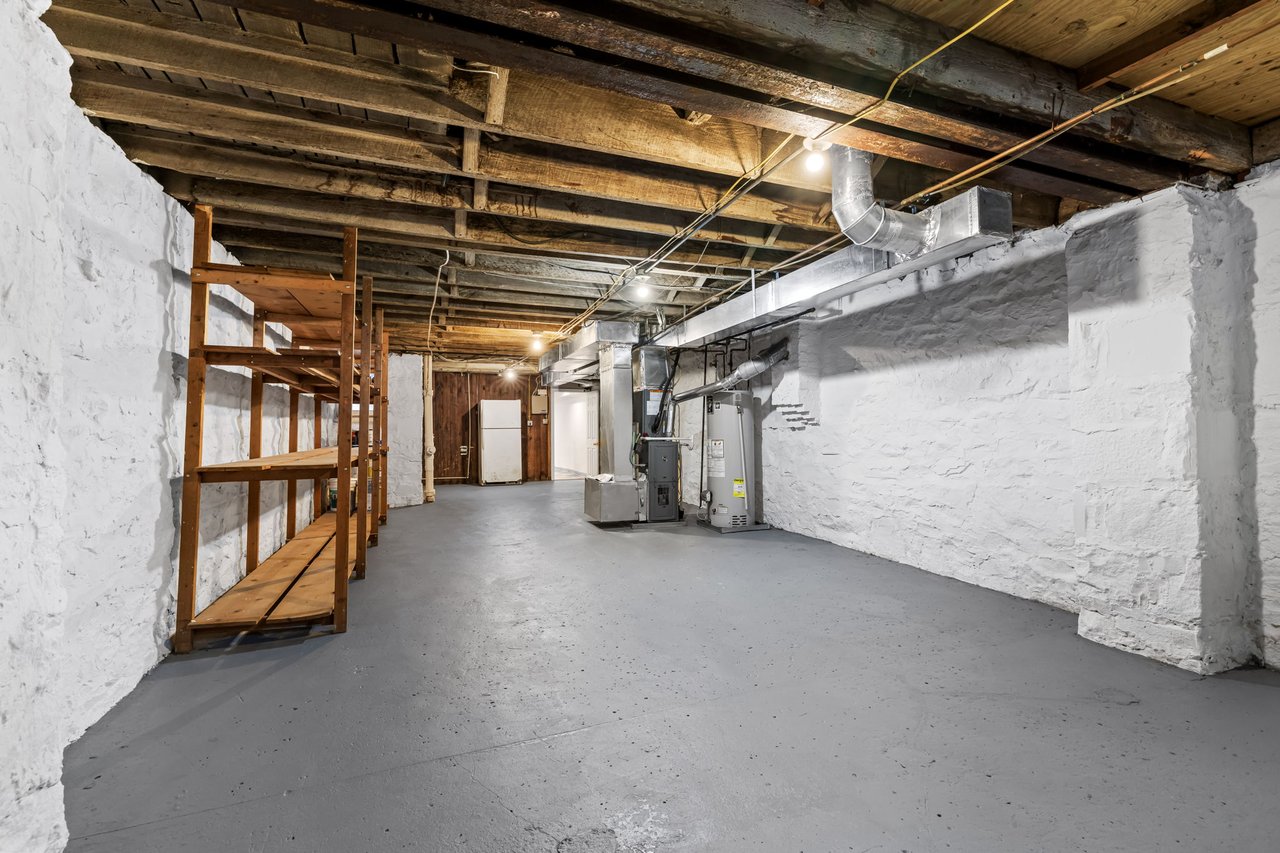
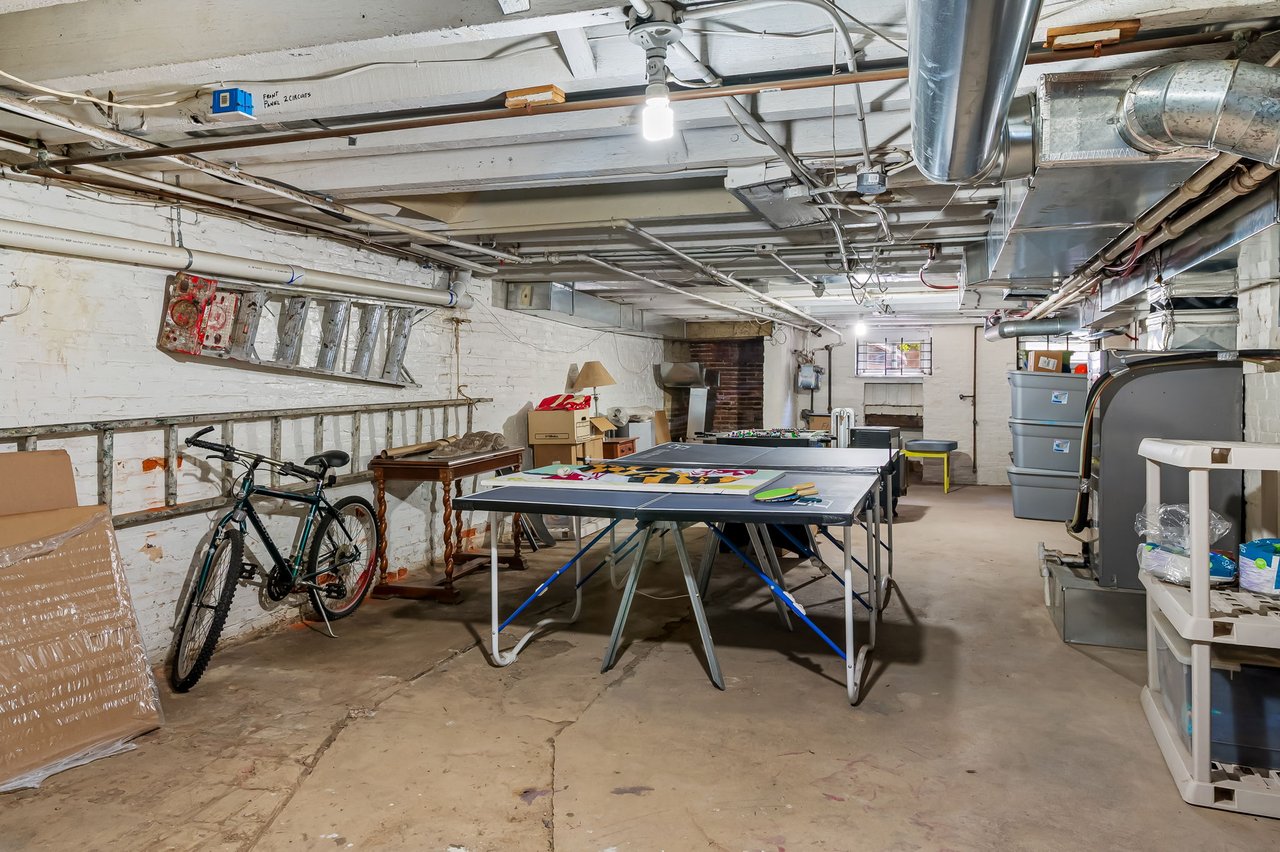
Many Baltimore historic homes were built with materials and construction methods that differ significantly from newer houses. Buyers may encounter plaster walls, solid brick masonry, shared party walls, stone foundations, unfinished or partially finished basements and exterior brick that requires specialized maintenance.
These features are not inherently problematic, but they should be understood in the context of the home’s age and construction. Moisture management is especially important in older Baltimore properties, particularly around basements, foundations, roofs, gutters and exterior masonry. When buying a historic home in Baltimore, careful evaluation of brickwork, pointing, plaster, foundation conditions and signs of water intrusion can help distinguish routine maintenance from issues that deserve further investigation.
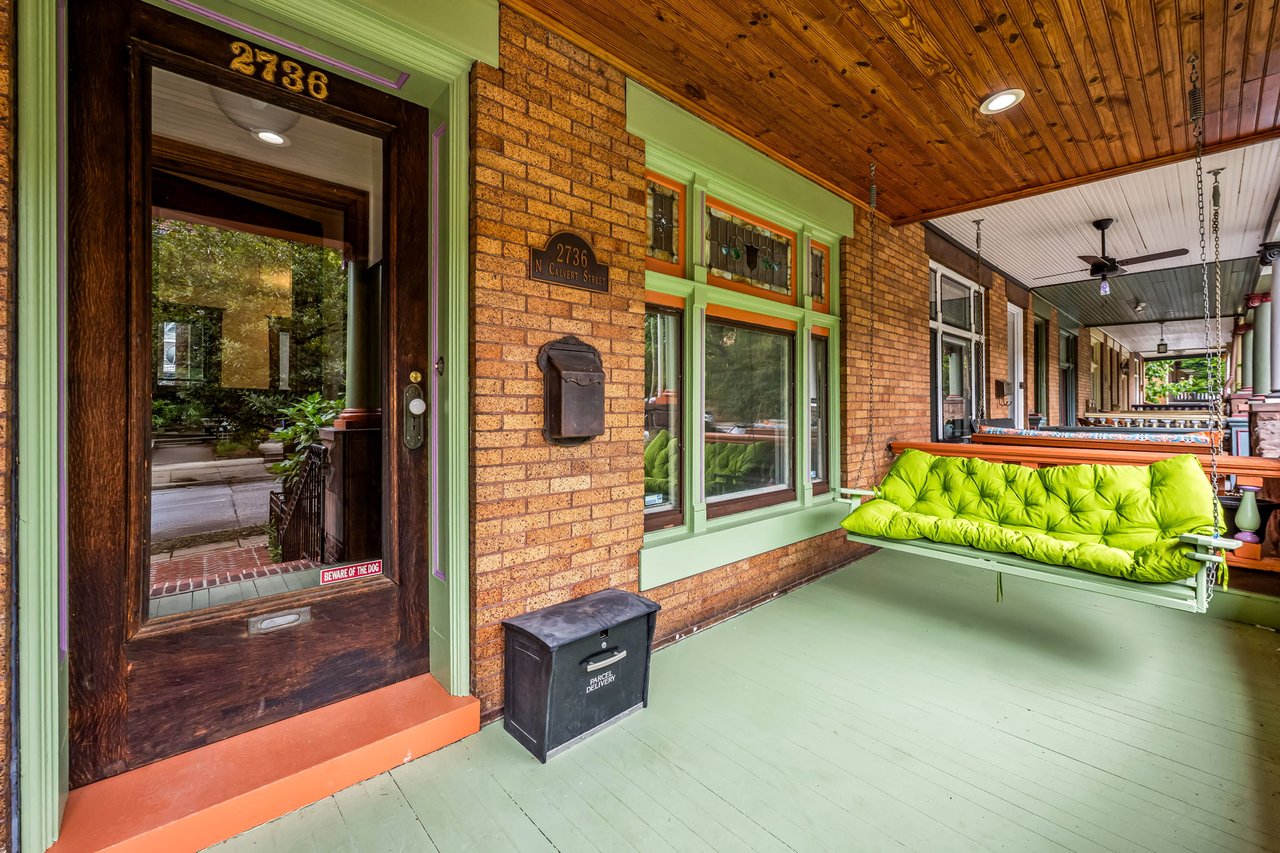
Original windows are often an important part of the architectural character of Baltimore historic homes and should not automatically be viewed as something that needs to be replaced. Their condition, operability and previous maintenance matter, and in many cases restoration can preserve both the appearance and craftsmanship of the home.
Buyers should also consider storm windows, weatherstripping and other efficiency improvements that may improve comfort without sacrificing historic character. In locally designated historic districts, window replacement may also be subject to preservation guidelines, making it especially important to understand both the condition of the existing windows and any applicable requirements before planning changes.
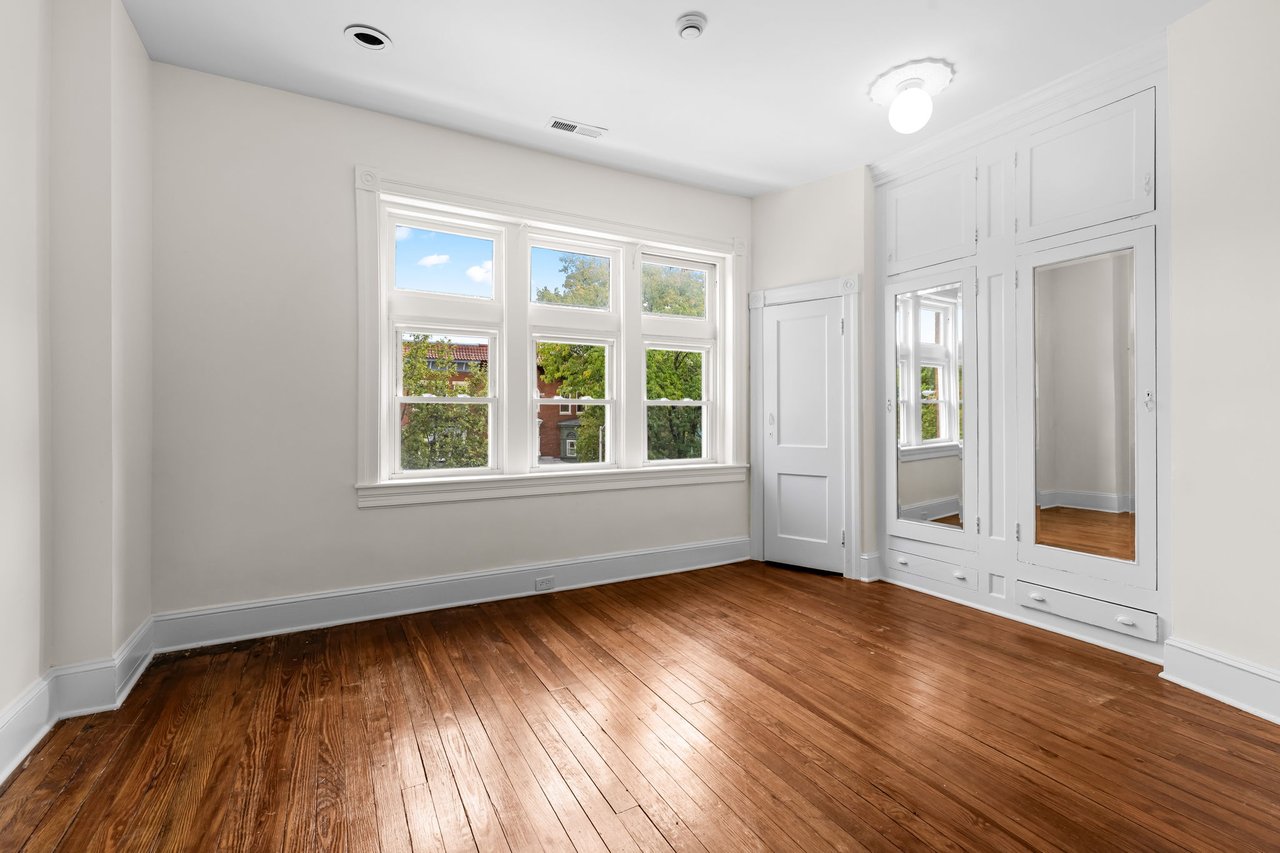
Attractive finishes do not always tell you the quality of the work behind them. When buying a renovated historic home in Baltimore, buyers should look beyond new kitchens, bathrooms and cosmetic updates to understand how the property was actually improved.
Important considerations can include permits, electrical upgrades, plumbing work, structural alterations, rear additions, roof work, HVAC installation and the quality of previous kitchen and bath renovations. A beautifully renovated home can still have unresolved issues behind the walls, which is why careful due diligence remains important even when a property appears completely updated.
Not every historic looking home in Baltimore is subject to CHAP regulations. Before buying a historic home, it is important to determine whether the property is located within a locally designated historic district, individually designated as a landmark, located only within a National Register historic district, or not formally designated at all.
The distinction matters. Properties within Baltimore City local historic districts, as well as certain individually designated landmarks, may require CHAP review and approval before regulated exterior alterations are made. National Register designation alone does not automatically trigger CHAP review unless the property also has a local designation.
For buyers, this does not mean a historic property cannot be updated. It means future exterior projects such as window replacement, additions, exterior color changes, masonry work or demolition may require additional review. Understanding the property’s designation status before purchasing can help you plan renovations more confidently and avoid surprises later.
Due diligence is especially important when buying a historic home in Baltimore. Depending on the property, buyers may consider a general home inspection along with additional evaluations such as a sewer line inspection, chimney inspection, roof evaluation, electrical evaluation, environmental testing, moisture investigation or structural consultation.
Older homes often produce longer inspection reports simply because they contain more systems, materials and construction methods that may need attention. The number of findings matters far less than understanding their significance, the likely cost of addressing them and whether they represent routine maintenance, deferred maintenance or a more substantial concern.
A thoughtful inspection strategy can help buyers distinguish manageable issues from problems that deserve further investigation before moving forward with the purchase
Pricing a historic home in Baltimore can be more complex because no two properties are exactly alike. Even homes on the same block can vary significantly in width, square footage, original architectural details, renovation quality, parking, outdoor space, natural light, floor plan, overall condition and exact location within the neighborhood.
When evaluating value, I look beyond basic comparable sales and consider how each property compares in character, functionality and buyer appeal. Understanding these differences is especially important in Baltimore’s historic neighborhoods, where unique architectural features and location can have a meaningful impact on market value.
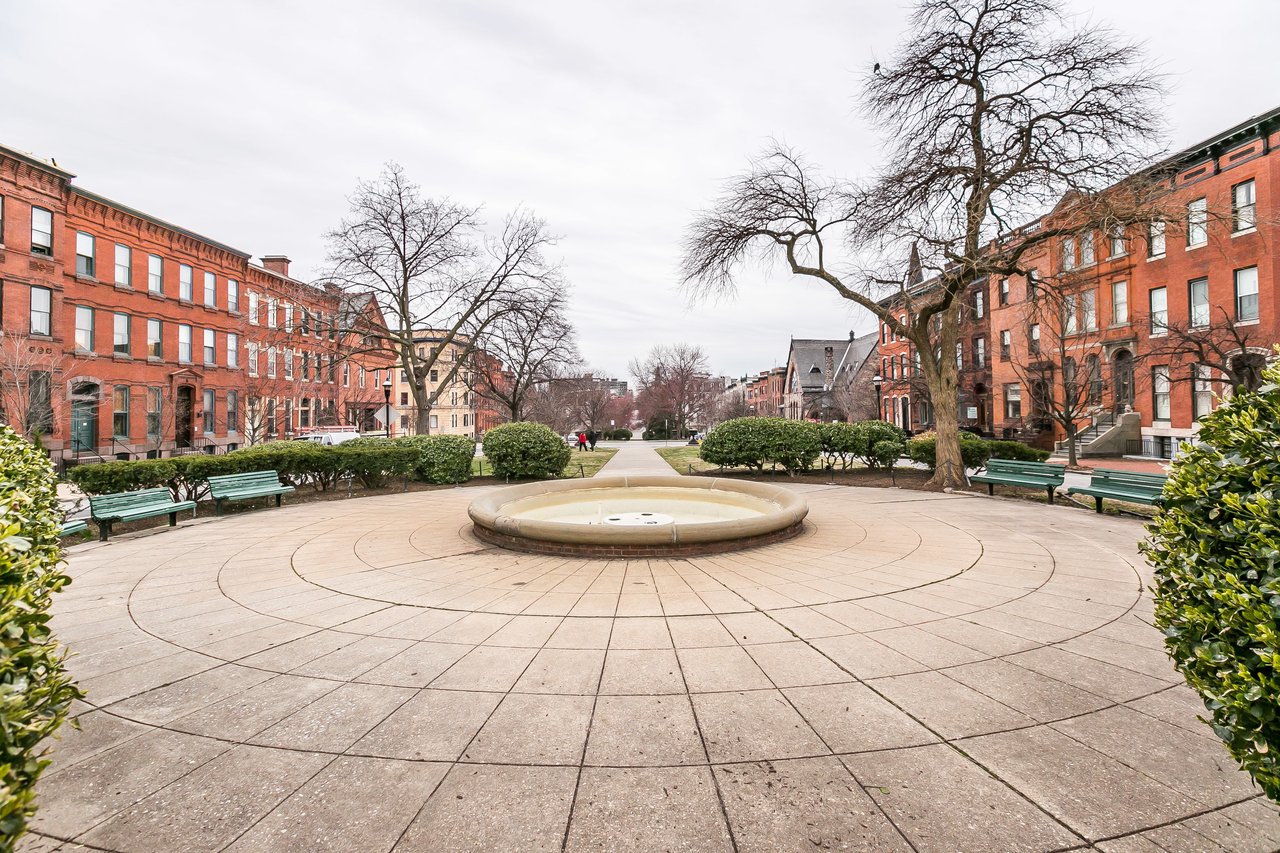
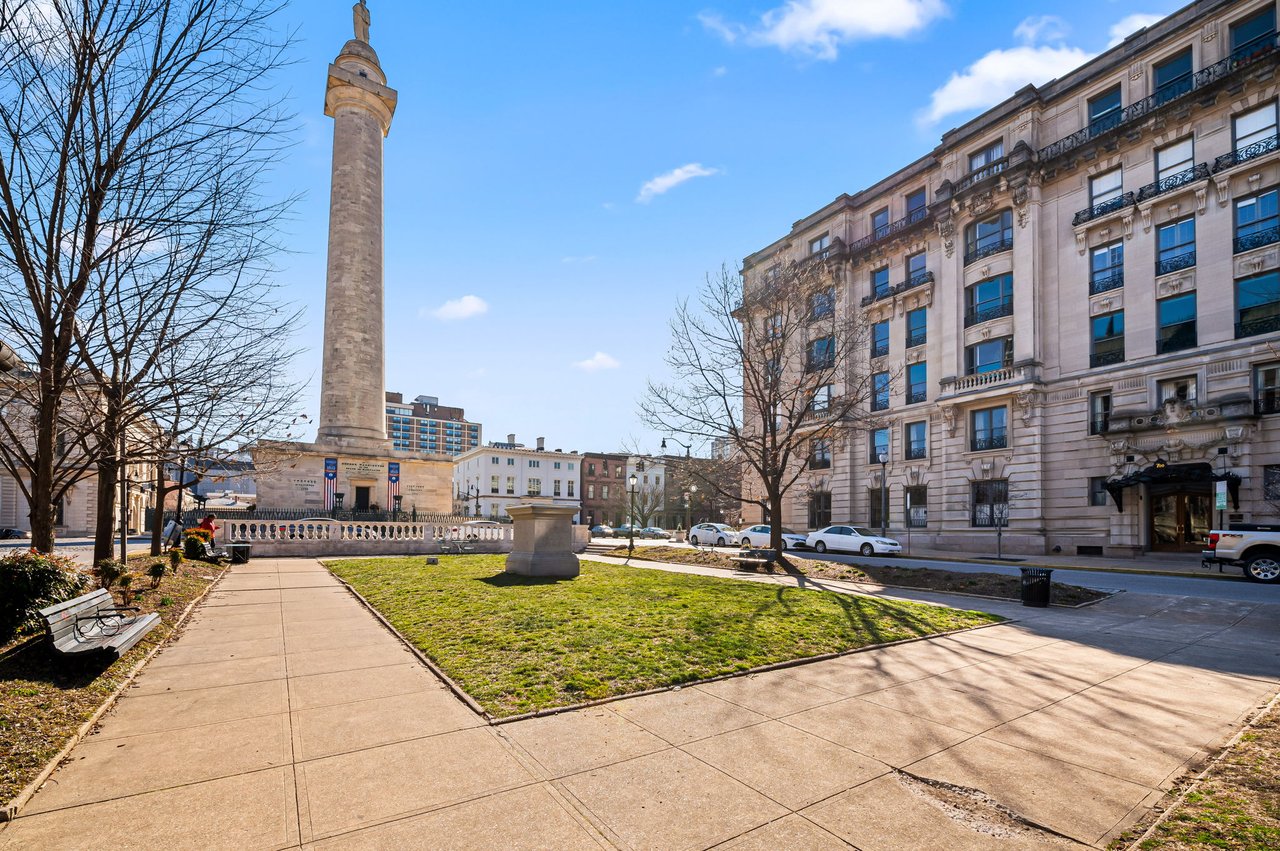
Baltimore’s historic neighborhoods offer remarkably different architecture, housing styles and streetscapes. Explore these communities to compare historic homes for sale in Baltimore and better understand the character of each market.
I have spent more than two decades helping buyers and sellers throughout Baltimore City and Central Maryland. That experience gives me a strong understanding of how historic homes are valued, marketed, inspected and negotiated in different parts of the city.
I understand the original architectural features that make Baltimore historic homes distinctive, as well as many of the issues buyers should evaluate carefully, including older mechanical systems, masonry construction, previous renovations, moisture concerns and specialized inspections.
I grew up in Charles Village and now live in Bolton Hill, giving me firsthand knowledge of two of Baltimore’s most recognizable historic neighborhoods. I also work extensively throughout Mount Vernon, Guilford, Roland Park, Reservoir Hill and other established Baltimore communities, where architecture, housing stock and values can vary significantly from one block to the next.
When you hire me, you work directly with me. I remain personally involved throughout your search, property evaluation, inspections, offer strategy, negotiations and closing so you have experienced guidance at every stage of buying a historic home in Baltimore.
They can require more specialized maintenance than newer homes, but condition matters more than age alone. A well maintained historic home may have fewer immediate needs than a newer property with deferred maintenance.
In addition to a general home inspection, buyers may consider sewer, chimney, roof, electrical, moisture, environmental and structural evaluations depending on the property.
CHAP is Baltimore City’s Commission for Historical and Architectural Preservation. Certain locally designated historic properties and districts may require CHAP review before exterior alterations are made.
Possibly, but locally designated properties may be subject to preservation requirements. Buyers should confirm the property’s designation status and applicable rules before planning window replacement.
Not necessarily. Radiator systems can provide efficient, comfortable heat when properly maintained. Condition, age of the boiler and maintenance history are more important than the heating style itself.
Plaster walls are common in Baltimore historic homes and are not inherently a problem. Buyers should look for signs of cracking, moisture damage or previous repairs that may warrant closer evaluation.
Permit history can often be researched through Baltimore City records. Buyers should also review seller documentation and ask questions about major renovations, additions and system upgrades.
Historic homes can be found throughout Baltimore, including Bolton Hill, Mount Vernon, Charles Village, Guilford, Roland Park, Reservoir Hill, Butchers Hill, Union Square and other established neighborhoods.
Not necessarily. Most historic homes can qualify for conventional financing, but significant condition issues or incomplete renovations may affect which loan programs are appropriate.
Historic homes require more than a simple price per square foot comparison. Location, width, architectural details, condition, renovations, parking, outdoor space and comparable sales all influence value.
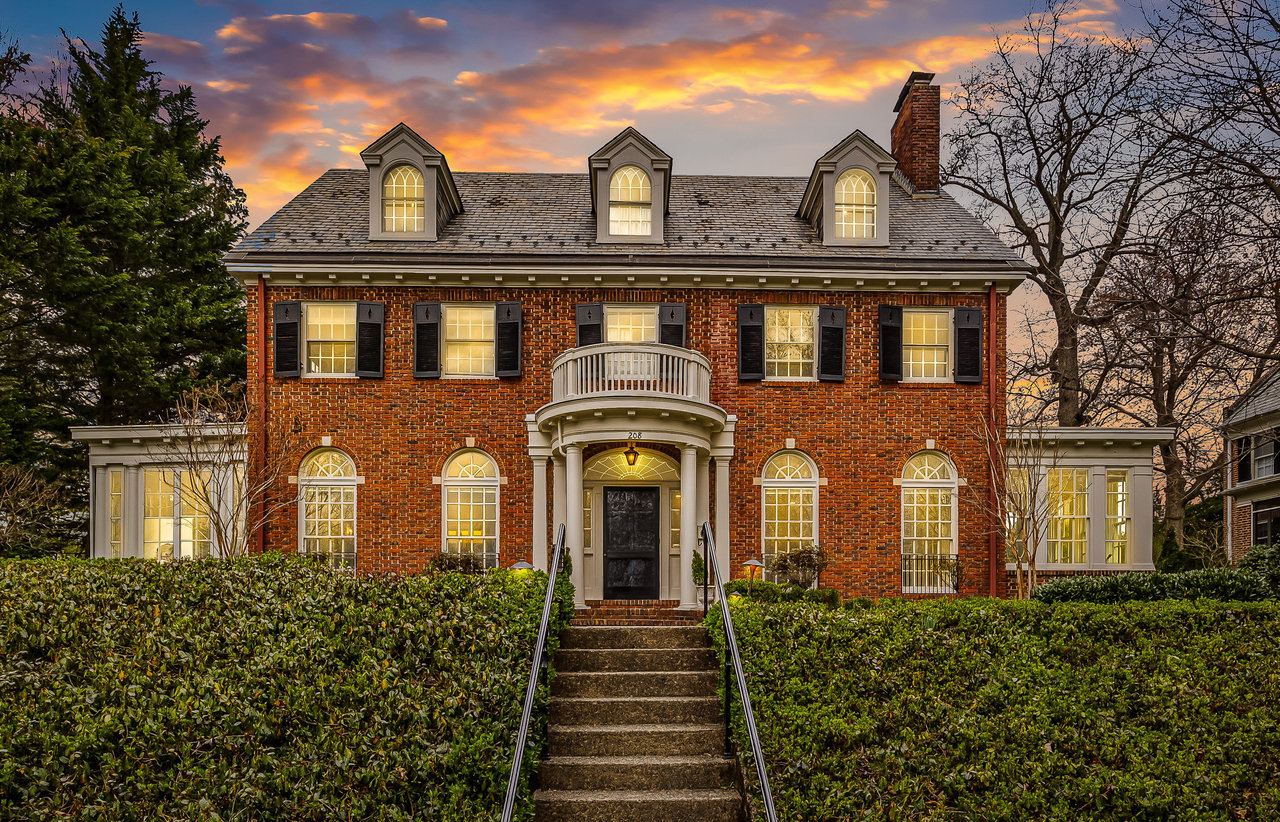
Buying a historic home is about more than loving the architecture. I can help you evaluate the property, neighborhood, condition, renovation history and current market so you can make a well informed offer with a clear understanding of what you are buying.

Office Addresses
Primary:
6227 N Charles Street
Baltimore, MD 21212
Secondary:
921 E Fort Avenue
Baltimore, MD 21230
Jessica Dailey of Compass